
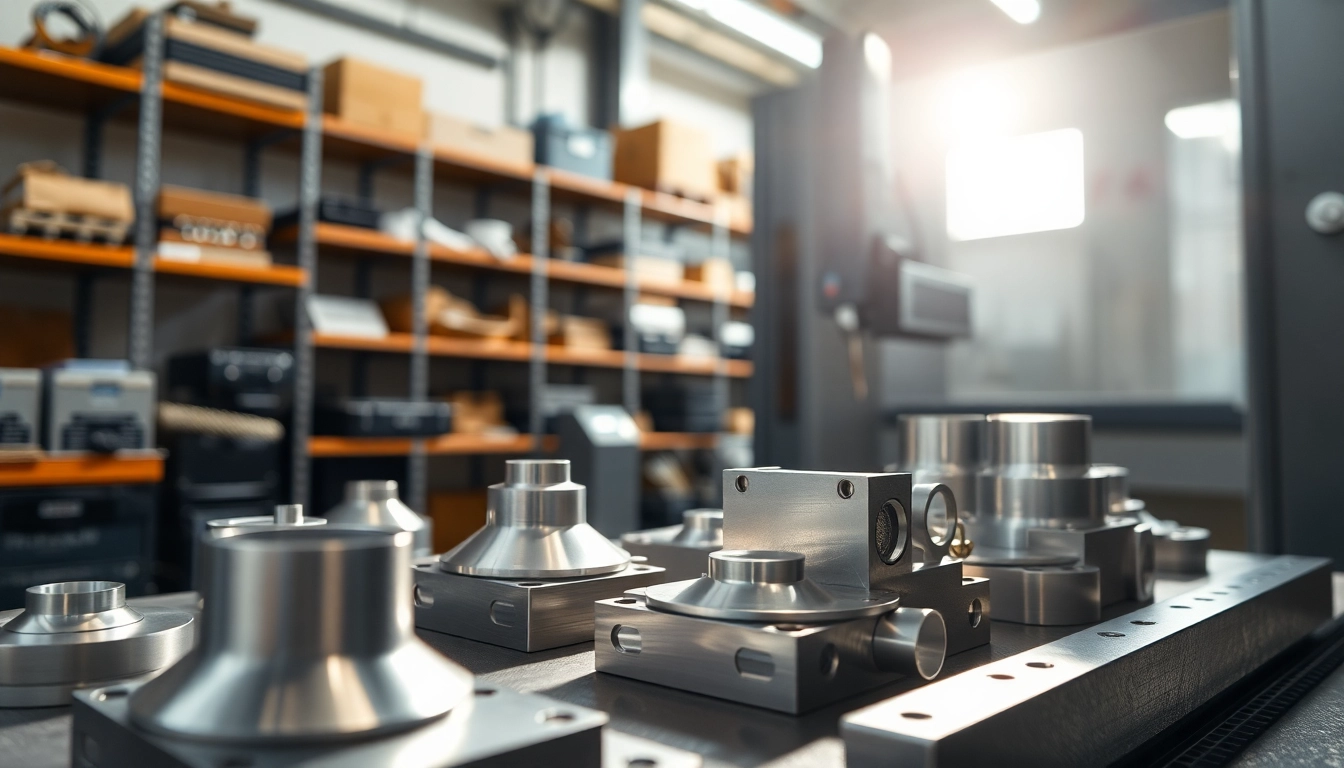
Understanding Aluminum Prototypes
In the field of manufacturing and product development, aluminum prototypes hold great significance. These are models or samples crafted from aluminum, which help designers and engineers validate their concepts before moving into large-scale production. By providing a tangible representation of the final product, aluminum prototypes enable stakeholders to assess features, functionality, and design aesthetics early in the development process.
What Are Aluminum Prototypes?
Aluminum prototypes are preliminary versions of a product created to test theories, validate designs, and evaluate performance. They are made from various aluminum alloys known for their lightweight and durable nature. Depending on the intended application and required specifications, these prototypes can be produced using methods such as CNC machining, casting, or additive manufacturing. The primary goal is to ascertain whether the design meets the desired standards before investing in full-scale production.
The Benefits of Aluminum as a Prototyping Material
Aluminum is an ideal choice for prototyping due to a plethora of benefits:
- Lightweight and Strength: Aluminum provides an exceptional strength-to-weight ratio, making it suitable for applications where minimizing mass is crucial.
- Ease of Machining: The material is highly machinable, allowing for precise tolerances, intricate designs, and quick iterations in the prototyping phase.
- Corrosion Resistance: Many aluminum alloys resist corrosion, extending the durability of prototypes in various environmental conditions.
- Thermal Conductivity: Aluminum’s ability to dissipate heat effectively is advantageous for products requiring thermal management.
- Recyclability: Aluminum is 100% recyclable, aligning with sustainability goals in manufacturing.
Applications of Aluminum Prototypes in Industries
Aluminum prototypes are utilized across various sectors:
- Aerospace: Prototypes aid in testing weight distribution and structural integrity of components, crucial for flight safety.
- Automotive: In the auto industry, aluminum prototypes are used to design components that require high strength and lightweight characteristics.
- Consumer Electronics: Prototyping allows companies to verify the design and functionality of electronic housings and accessories.
- Medical Devices: Precision is paramount in medical applications; aluminum prototypes facilitate rigorous testing of device ergonomics and functionality.
- Industrial Equipment: Customized machinery components are often prototyped in aluminum to balance strength, cost, and ease of production.
Manufacturing Processes for Aluminum Prototypes
CNC Machining Techniques
CNC (Computer Numerical Control) machining is one of the most common methods for creating aluminum prototypes. This automated technique allows for high precision and repeatability. CNC milling and turning can produce intricate shapes and fine details that would be challenging to achieve through manual machining.
During CNC machining, 3D models are converted into numerical code that guides the cutting tools on the CNC machine. Different aluminum alloys can be used depending on the specific requirements, such as mechanical properties and surface finish.
Cast Aluminum Prototyping Methods
Cast aluminum prototyping involves pouring molten aluminum into a mold to create a prototype. This method is particularly useful for larger or more complex geometries that might be cumbersome to produce via CNC machining. The two dominant techniques within casting are:
- Sand Casting: A traditional method where sand is compacted around a pattern to create a mold, suitable for high-volume production.
- Die Casting: More precise than sand casting, this method involves forcing molten aluminum into steel molds under pressure, allowing for better surface finishes and tighter tolerances.
3D Printing for Aluminum Prototypes
3D printing, particularly in the realm of metal additive manufacturing, has gained traction as a viable method for aluminum prototyping. This method involves building components layer by layer, using either powder bed fusion or directed energy deposition techniques. The advantages of 3D printing for aluminum prototypes include rapid iteration, design freedom, and the ability to create complex internal geometries that would be impossible with traditional methods.
Furthermore, advancements in 3D printing technology have enabled manufacturers to utilize aluminum alloys specifically formulated for additive processes, enhancing the properties of the final product.
Choosing the Right Partner for Aluminum Prototypes
Evaluating Prototype Manufacturers
When selecting a partner for aluminum prototyping, it is key to evaluate manufacturers based on their experience, capabilities, and technology. Look for companies with a proven track record in producing aluminum prototypes for your specific industry. Additionally, consider their ability to provide comprehensive services, from design input to rapid prototyping and full production.
Factors Influencing Your Choice
Several factors should influence your decision:
- Technology: Ensure the manufacturer uses up-to-date equipment and techniques that align with your prototyping needs.
- Lead Time: Evaluate their capacity to meet your deadlines, especially if rapid prototyping is required.
- Quality Assurance: Choose a partner that adheres to rigorous quality control practices, helping to avoid costly mistakes later in the production process.
Cost Considerations for Prototyping Services
Understanding the total cost of aluminum prototyping is essential for effective budgeting. Major cost components include the complexity of the design, materials used, manufacturing techniques, and labor involved. Complex geometries and custom designs typically incur higher costs. Additionally, consider potential scaling in production — choosing a prototyping method that can easily transition to full-scale production can save time and resources in the long run.
Quality Control in Aluminum Prototyping
Standards and Certifications
Quality control is paramount in prototyping, particularly for industries where safety and performance are critical. Look for manufacturers that comply with international manufacturing standards (such as ISO 9001) and industry-specific certifications. These certifications demonstrate a commitment to quality and continuous improvement, which is vital for successful prototyping.
Testing Methods for Aluminum Prototypes
Testing is a critical phase in the prototyping process. Common methods include:
- Mechanical Testing: Assessing the strength, ductility, and hardness of aluminum components.
- Functional Testing: Ensuring that the prototype behaves as expected under simulated working conditions.
- Environmental Testing: Evaluating the performance of prototypes under varying temperatures and humidity levels.
Ensuring Consistency and Quality
To maintain quality throughout the prototyping process, established procedures for monitoring and controlling production processes are essential. This includes employing statistical process controls, regular inspections, and utilizing feedback loops to identify and resolve issues during production.
Future Trends in Aluminum Prototyping
Innovations in Materials and Processes
The landscape of aluminum prototyping is evolving rapidly with innovations in materials and processes. Advancements in alloy compositions are leading to stronger and lighter materials that improve performance and functionality for various applications. Additionally, hybrid manufacturing processes, combining traditional and additive methods, are emerging, allowing for greater flexibility in design and production.
Sustainability in Aluminum Production
With growing environmental concerns, sustainable practices in aluminum production and prototyping are becoming increasingly important. Manufacturers are exploring recycling opportunities and reducing energy consumption in their processes, aligning with broader sustainability goals. This includes using scrap aluminum and minimizing waste during production, thus enhancing the overall eco-friendliness of aluminum prototyping.
The Role of Automation in Prototyping
Automation is revolutionizing the prototyping industry by increasing efficiency, reducing errors, and enhancing the precision of manufacturing processes. As robots and automated systems take on more complex tasks, manufacturers can streamline operations, resulting in shorter lead times for prototypes. Furthermore, data analytics is becoming instrumental in optimizing production processes and improving quality control measures.
FAQs about Aluminum Prototypes
1. What makes aluminum a preferred material for prototyping?
Aluminum is lightweight, strong, corrosion-resistant, and easy to machine, making it ideal for creating prototypes that require precise geometries.
2. How do I choose the right prototyping method?
Consider factors such as design complexity, budget, required tolerances, and lead time when selecting the appropriate prototyping method.
3. Is it possible to achieve high accuracy with aluminum prototypes?
Yes, advanced CNC machining and 3D printing techniques can produce highly accurate aluminum prototypes, meeting stringent design specifications.
4. Can aluminum prototypes be used in harsh environments?
Aluminum is naturally corrosion-resistant and can be treated or coated for further protection, making it suitable for various harsh conditions.
5. What is the lifespan of aluminum prototypes?
The lifespan varies based on use, design, and environmental factors. However, aluminum’s durability often allows prototypes to be used for extended periods.