
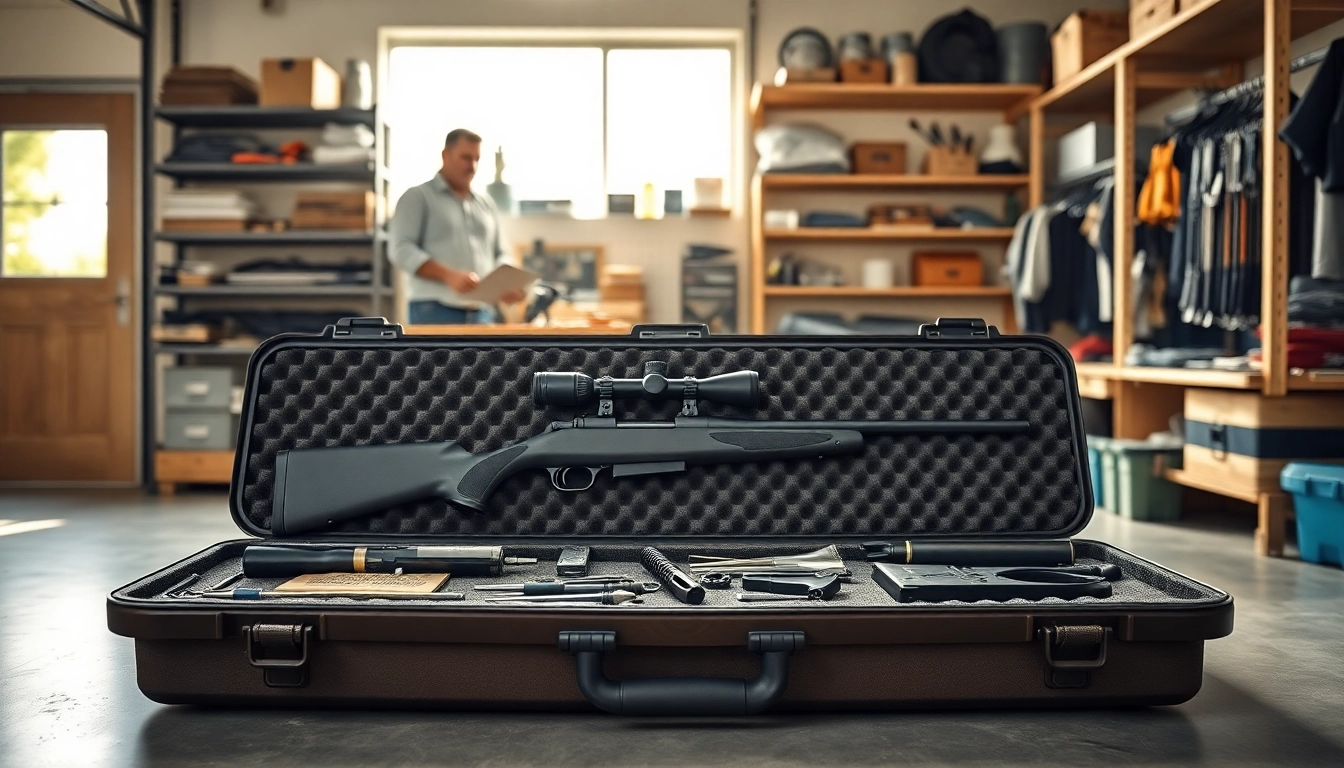
Understanding Foam for Rifle Case Types
When it comes to selecting the right foam for rifle case, understanding the various types available is essential. The foam you choose will play a crucial role in the protection and longevity of your rifle, ensuring that it remains safe from the elements and potential damages during transport. In this section, we will explore the two primary types of foam used for rifle cases and delve deeper into how to select the right option.
Open-Cell vs. Closed-Cell Foam
Foam for rifle cases typically falls into two categories: open-cell and closed-cell foam. Each has unique attributes that make them suitable for different applications.
- Open-Cell Foam: This type of foam is characterized by its porous structure, which allows air to circulate freely within the cell. This feature makes open-cell foam lightweight and compressible, providing excellent cushioning. However, it is less durable and porous, which means it can absorb moisture, potentially damaging the rifle if exposed to wet environments.
- Closed-Cell Foam: In contrast, closed-cell foam consists of cells that are sealed off and do not allow air or moisture to penetrate. This type is denser and offers superior protection against impacts and environmental factors like water. Its durability makes it ideal for long-term use in harsher conditions.
When choosing between open-cell and closed-cell foam, consider the specific conditions your rifle will face during transport and use.
Custom Shapes and Sizes
Customization is the key when it comes to the fit of foam in a rifle case. Many manufacturers provide options for custom-shaped foam inserts that are contour-cut to fit specific rifle models and accessories snugly. This tailored fit provides multiple benefits:
- Enhanced Protection: Custom-shaped foam holds the rifle securely in place, minimizing movement and reducing the risk of impact damage.
- Maximized Space Efficiency: A custom foam insert can accommodate the rifle along with its accessories, optimizing space and making transport easier.
- Improved Aesthetics: A well-fitted foam insert can also contribute to a neater appearance, enhancing the overall presentation when opening your case.
When seeking a custom foam solution, take accurate measurements of your rifle and any accessories to ensure a perfect fit.
Benefits of Quality Foam
The quality of foam used in a rifle case significantly impacts its effectiveness in protecting your firearm. High-quality foam offers several advantages:
- Shock Absorption: Quality foam is engineered to absorb shocks and impacts, providing cushioning that can prevent damage during transport.
- Durability: Investing in higher-quality foam ensures it will withstand wear and tearing over time, maintaining structural integrity.
- Environmental Resistance: Quality foam is often formulated to resist moisture and temperature variations, protecting your rifle under different conditions.
Choosing high-quality foam is paramount for preserving your rifle’s condition, ultimately extending its lifespan.
How to Measure and Fit Your Foam for Rifle Case
Proper measurement and fitting of foam inserts for your rifle case can prevent potential issues down the line. An ill-fitting foam insert can compromise protection and safety. Here, we will discuss essential techniques for measuring and adjusting foam to ensure an optimal fit.
Core Measurement Techniques
To achieve an accurate measurement of your rifle and its components, follow these core techniques:
- Identify Key Parts: Take inventory of all components to be stored within the case, including the rifle, scope, bipod, and any additional accessories.
- Measure Length, Width, and Height: Use a tape measure to get the full dimensions of each component. Ensure measurements are taken from the longest parts to avoid any gaps.
- Account for Accessories: When measuring, consider the height added by scopes, sights, or other attachments to ensure the foam accommodates all features.
- Include Tolerances: Add a small margin (typically 0.25 to 0.5 inches) to the dimensions to allow for fitting flexibility.
Accuracy in measurement is crucial to create foam that properly encompasses your rifle securely.
Adjusting Foam for Optimal Fit
Once measurements are taken, the next step is to shape the foam for an optimal fit. Here are effective methods to adjust foam:
- Cutting Foam: Use a sharp utility knife or a hot wire cutter to create the desired shapes. A straight edge can ensure clean cuts.
- Layering Foam: If you are using foam sheets, consider layering them. This allows for dual density, providing both structure and cushioning.
- Test Fit: Place the rifle and accessories within the foam insert periodically as you adjust to ensure an exact fit.
These adjustments will guarantee that your rifle is held securely in the case, reducing movement and potential damage.
Common Mistakes to Avoid
When measuring and fitting foam for rifle cases, there are a few common pitfalls to be aware of:
- Inaccurate Measurements: Always double-check your measurements before cutting the foam to prevent costly errors.
- Neglecting Accessories: Focusing solely on the rifle and ignoring attached accessories can lead to incorrect fitting.
- Assuming Uniformity: Not all rifles of the same model have identical dimensions due to variances in manufacturing. Always measure your specific rifle.
Avoiding these mistakes will lead to a better overall outcome in your rifle case preparations.
Maintaining Your Foam for Rifle Case
Maintenance is essential to ensure the longevity and efficacy of foam used in rifle cases. Keeping foam clean and well-cared for can extend its life and reliability. Here are some guidelines to maintain your foam effectively.
Cleaning and Care Tips
To keep your foam in optimal condition, it’s essential to perform regular cleanings. Here are some cleaning tips:
- Wipe Down: Use a damp cloth to wipe off surfaces. Ensure that the cloth is not overly wet, as excess moisture can harm open-cell foam.
- Use Mild Cleaners: If necessary, employ a mild soap or cleaner that is safe for foam materials. Avoid harsh chemicals that may degrade the integrity.
- Avoid Direct Sunlight: When cleaning, avoid exposure to direct sunlight, which can break down foam over time.
These simple care steps will help prevent deterioration of the foam.
Extending Foam Lifespan
In addition to cleaning, adopting preventive measures can prolong your foam’s lifespan, including:
- Proper Storage: When not in use, store the rifle case in a cool, dry place away from direct sunlight and excessive humidity.
- Avoid Heavy Loads: Do not overload the case with weight it is not designed to handle, as this can compress or damage the foam.
Implementing these practices can lead to more resilient foam and avoid needing frequent replacements.
Signs of Foam Wear
Recognizing when the foam needs replacement is essential. Here are common signs of foam wear:
- Compression: If the foam appears flat and does not recover to its original shape, it may be time for a replacement.
- Cracks or Tears: Any visible cracks or tears will diminish the foam’s protective capabilities.
- Moisture Damage: Discoloration or musty odors indicate that the foam has absorbed moisture and may be degrading.
Addressing these issues promptly can help maintain the protection capabilities of your rifle case.
Top Features to Look For in Foam for Rifle Case
When evaluating options for foam for rifle case, several key features are worth considering to ensure optimal performance and protection. Here’s what to focus on:
Durability and Thickness
Durability is a critical feature in foam selection. Thick foam tends to provide better shock absorption, making it crucial to assess the thickness suitable for your rifle case. A thickness of 1.5 inches or more is generally recommended for adequate cushioning. Additionally, ensure that the material is resistant to wear and tear over time.
Water Resistance
Especially for those in humid environments or who may encounter rain, water-resistant foam is a necessity. Closed-cell foam typically offers better water resistance compared to open-cell variants, providing a barrier against unexpected moisture. Selecting the right foam can prevent significant damage to your firearm.
Heat Insulation Properties
Heat insulation is another pivotal aspect to consider. Foam that can withstand temperature variances will help maintain the rifle’s integrity during transport. Look for materials that can resist heat buildup and ensure that lasting thermal protection is provided to prevent any potential warping of the firearm.
FAQs About Foam for Rifle Case
What density foam is best for rifle cases?
High-density foam is recommended for rifle cases as it provides superior protection and durability, ensuring your firearm stays secure during transport.
Can foam for rifle case be customized?
Yes, many manufacturers offer customizable foam inserts designed to fit specific rifle shapes and sizes, providing a secure fit.
How often should I replace the foam in my rifle case?
It’s advisable to replace the foam if you observe significant wear, tear, or changes in fit after every 5-10 years of use.
Is waterproof foam necessary for a rifle case?
Water-resistant foam is highly recommended to protect your firearm from unexpected moisture or damp conditions during transport.
What are common types of foam used in rifle cases?
Common types include polyethylene, polyurethane, and convoluted foam, with each type offering unique protection features for your firearm.