1. What is Drayage?
1.1 Definition and Overview
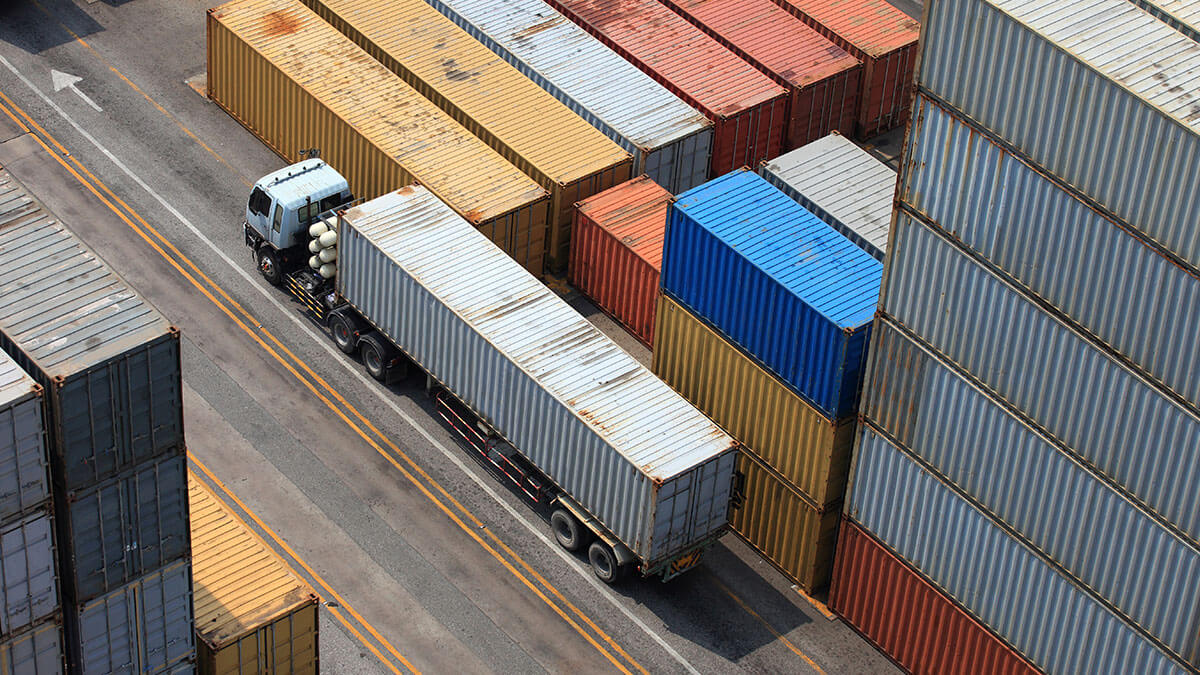
Drayage refers to the transport of shipping containers over short distances, typically utilizing truck transportation. It acts as a crucial component in the supply chain, facilitating the movement of goods between different modes of transportation, such as from a ship to a port terminal or from a rail yard to a distribution center. Essentially, it serves as the bridge in logistics where goods transition from one transport mode to another.
This service is pivotal in logistics because it ensures that goods are moved efficiently and economically, especially within urban areas or regions where goods need to be transferred rapidly. For those involved in shipping and logistics, understanding the nuances of drayage can lead to better management of supply chains, particularly in terms of scheduling, costs, and overall efficiency.
1.2 Importance in Transportation
The significance of drayage in transportation cannot be overstated. It effectively coordinates the connection points between international shipping and domestic delivery. Without efficient drayage services, the movement of goods can become heavily delayed, leading to increased costs and customer dissatisfaction.
Moreover, drayage enables businesses to optimize their logistics operations by ensuring containers are efficiently moved to final destinations without unnecessary delays. In industries where just-in-time delivery is critical, the role of drayage becomes even more essential. It adapts in real-time to fluctuations in demand, ensuring that supply and timing are aligned with market requirements.
1.3 Common Terms Related to Drayage
- Container: A standard-sized crate used to carry goods, often used in freight transport.
- Intermodal: Refers to the use of more than one mode of transport to move goods; drayage is a key component of intermodal shipping.
- Demurrage: Fees incurred when a container is not moved within an agreed timeframe.
- Cartage: General transportation of goods, often a broader term than drayage.
2. Types of Drayage Services
2.1 Port Drayage
Port drayage specifically involves the movement of containers between marine ports and nearby terminals or distribution centers. This service is essential for transferring cargo arriving via ships to their next destination and can involve short hops to freight stations or longer hauls to local warehouses.
Due to the often congested nature of port areas, port drayage services must operate efficiently to minimize turnaround times. Using technology, tracking systems, and strategic planning, port drayage can be optimized to enhance operational efficiency, thereby reducing costs and improving service delivery.
2.2 Rail Drayage
Rail drayage is the transportation service that connects intermodal rail terminals with other transport hubs or final delivery points. It plays a vital role in the supply chain by moving containers that have arrived by train to their respective locations.
This type of drayage is crucial in regions where rail is a significant method of freight transport. Timely and efficient rail drayage services ensure that shippers can take advantage of the speed and capacity of rail transport while minimizing delays in the delivery process.
2.3 Intermodal Drayage
Intermodal drayage refers to the transfer of containers across different modes of transport, such as from ship to truck or rail to truck. This additional layer of logistics necessitates a high level of coordination and timing, especially since containers may change hands multiple times before reaching their final destination.
Intermodal drayage is becoming increasingly popular due to its ability to take advantage of the strengths of various transport modes. It reduces costs, enhances speed and flexibility, and optimizes resources, making it a foundational element in modern logistics.
3. The Drayage Process Explained
3.1 Steps in Drayage Operations
The drayage process can be broken down into clear steps:
- Container Arrival: The shipping container arrives at the port or rail yard.
- Loading and Unloading: The container is either loaded onto a truck for delivery or unloaded from the truck at a terminal.
- Inland Transportation: The truck transports the container to its final destination or to another transport hub.
- Final Delivery: The container is delivered to the warehouse, distribution center, or consignee.
Each of these steps must be managed carefully to maintain efficiency and meet timelines, often utilizing real-time data tracking and sophisticated logistic software.
3.2 Common Challenges Faced
Despite the apparent simplicity of drayage, several challenges need addressing:
- Traffic Congestion: Urban areas often experience heavy traffic, impacting delivery times.
- Regulatory Compliance: Maintaining compliance with local, state, and federal regulations can be complex.
- Inaccurate Scheduling: Poor scheduling can lead to delays and inefficiencies.
- Container Availability: Limited container availability can result in increased costs.
Proactive management and the use of technology can mitigate many of these issues, ensuring that drayage processes are streamlined and efficient.
3.3 Best Practices for Efficient Drayage
To enhance efficiency in drayage operations, consider the following best practices:
- Utilize real-time logistics software for tracking shipments.
- Optimize routes to minimize travel time and reduce costs.
- Establish clear communication with all stakeholders in the supply chain.
- Invest in training and resources for the drayage team to ensure they are knowledgeable about current technologies and regulations.
4. Impact of Drayage on Supply Chain
4.1 How Drayage Affects Delivery Times
Drayage has a direct correlation with delivery times within the supply chain. With the increasing demand for fast and efficient shipping, the performance of drayage services becomes more critical. Efficient drayage reduces wait times and ensures that the movement of goods from ports or rail yards to their final destinations is as swift as possible.
Delay in drayage can hinder the entire logistics process, causing ripple effects that can lead to lost sales, customer dissatisfaction, and additional costs. Conversely, optimizing drayage operations can lead to significantly improved delivery times, meeting customer expectations and enhancing competitiveness in the marketplace.
4.2 Cost Considerations in Drayage
Cost is a crucial factor in the drayage process. Several elements contribute to the overall cost structure:
- Truck Operating Costs: Fuel, maintenance, and driver wages can add up quickly.
- Port and Rail Terminal Fees: Fees imposed by terminals can significantly affect profitability.
- Demurrage and Detention Fees: These charges arise from delays and can substantially escalate costs.
Optimizing logistics can help in minimizing these costs. Implementing real-time tracking can also allow for more accurate planning and logistics management, thereby reducing overall expenses and maximizing profit margins.
4.3 Enhancing Visibility in Drayage Operations
Visibility in logistics is essential for ensuring that all components of the supply chain are functioning smoothly. In drayage, visibility can be enhanced through:
- Utilizing advanced tracking software that provides real-time data on shipments.
- Integrating communication tools that connect drivers, dispatchers, and clients for seamless updates.
- Employing analytics to assess patterns and predict potential delays.
By enhancing visibility, companies can react promptly to challenges and align their operations more closely with customer expectations and logistical requirements.
5. Future Trends in Drayage
5.1 Technological Advancements
The future of drayage services is heavily tied to technological advancements. Innovations such as automated logistics systems, artificial intelligence, and machine learning are set to revolutionize the way drayage services operate. These technologies can enhance efficiency by predicting demand patterns, optimizing routing, and automating repetitive tasks.
Additionally, the integration of blockchain technology can assure transparency and traceability in the supply chain, providing all stakeholders with timely and accurate information.
5.2 Environmental Considerations
As sustainability becomes increasingly important in all industries, the drayage sector is also being encouraged to adopt environmentally friendly practices. Electric trucks and alternative fuel methods could reduce emissions associated with logistics. Furthermore, companies may adopt carbon offset initiatives to minimize their environmental footprint.
As pressure mounts to comply with environmental regulations, those focusing on sustainable drayage solutions will likely find themselves at a competitive advantage.
5.3 The Evolving Role of Drayage in Global Trade
As global trade continues to expand, the role of drayage within the supply chain is expected to grow as well. Increased trade demands will necessitate more efficient drayage systems capable of adapting to evolving market conditions. Furthermore, drayage will play a vital role in e-commerce, where customer expectations for fast delivery times continue to rise.
This evolution presents both challenges and opportunities for logistics companies. Adapting to these changes by innovating and enhancing operational efficiency will help position companies as leaders in the drayage industry.