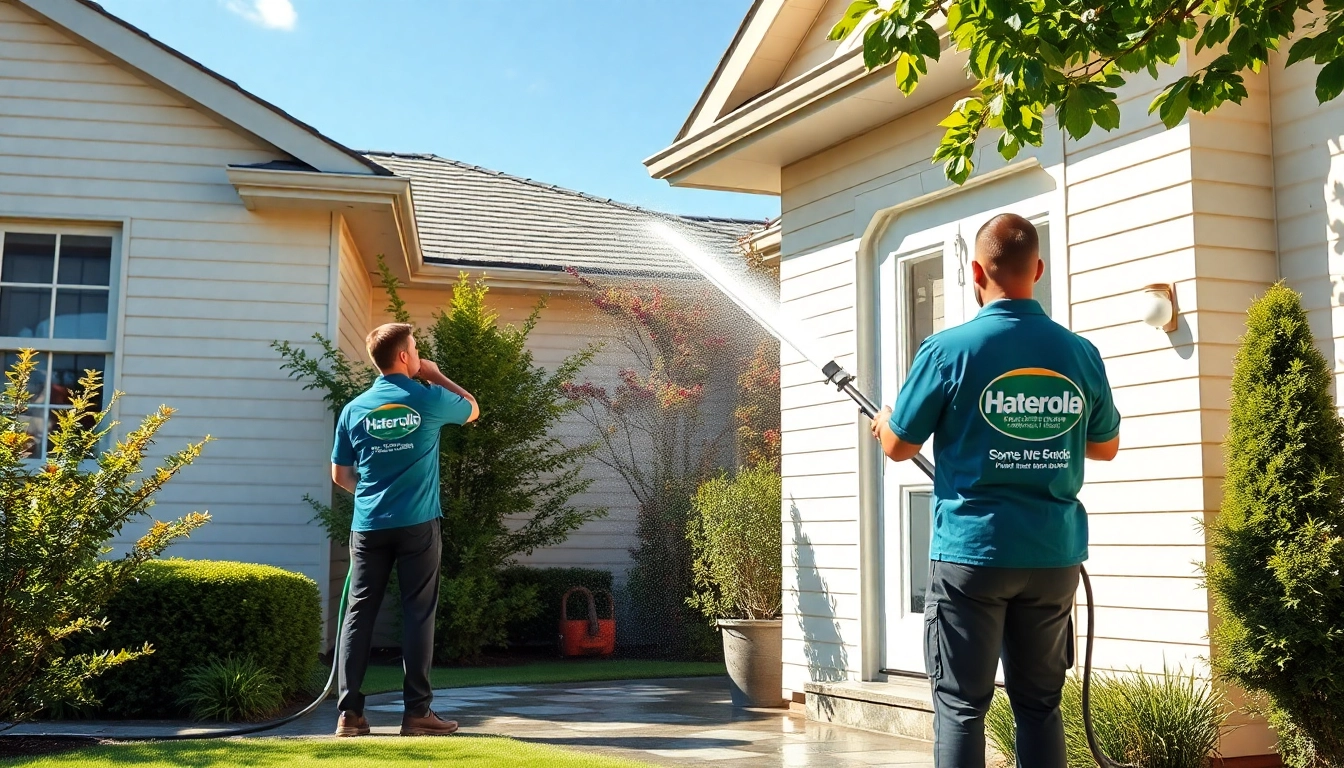
Understanding Soft Wash: The Basics and Benefits
When it comes to maintaining the exterior of your property, traditional pressure washing has long been the go-to solution for many homeowners and business owners alike. However, an emerging technique known as soft wash is gaining increasing recognition for its effectiveness and gentleness. This method not only cleans but also preserves the underlying materials of your home or business while delivering long-lasting results. In this article, we will delve into the essentials of soft washing, its advantages, and how it stands out from traditional pressure washing methods.
What is Soft Washing?
Soft washing is a unique cleaning technique that utilizes low-pressure water combined with specialized biodegradable cleaning solutions. This method is specifically designed to safely remove dirt, algae, mold, and mildew without damaging delicate surfaces. Soft washing applications are ideal for roofs, siding, and other sensitive areas where high pressure could lead to significant damage. By effectively targeting and eliminating organic growth, soft washing not only cleans your property but also helps prevent future infestations.
Key Advantages of Soft Washing
- Gentle on Surfaces: The low-pressure application ensures that even the most delicate surfaces, like shingles and wooden siding, are not harmed during the cleaning process.
- Long-Lasting Results: Soft washing treatments incorporate cleaning agents that kill spores and roots, providing longer-lasting cleanliness compared to standard pressure washing.
- Eco-Friendly: Many soft washing solutions are biodegradable, reducing the environmental impact associated with traditional cleaning methods that often involve harsh chemicals.
- Improved Curb Appeal: A well-maintained exterior significantly boosts the visual appeal of your home or business, making it more inviting for visitors and potential buyers.
Soft Wash vs. Traditional Pressure Washing
While both soft washing and traditional pressure washing aim to clean and restore exterior surfaces, the key difference lies in their application and pressure levels. Pressure washing uses high-pressure jets of water to remove dirt, which can lead to surface damage, especially on softer materials like wood or shingles. In contrast, soft washing employs lower pressure to combine effective cleaning with gentleness, making it the preferred choice for delicate surfaces. This not only protects your investment but also minimizes the risk of costly repairs down the line.
Essential Equipment and Techniques for Effective Soft Washing
Must-Have Tools for Soft Washing
To perform soft washing effectively, certain equipment is essential. This includes a pressure washer with adjustable pressure settings, specialized nozzles for low-pressure applications, and storage tanks for the cleaning solutions. Additionally, having high-quality biodegradable detergents tailored for specific cleaning tasks ensures the best results. Investing in the right equipment and materials is crucial for achieving optimal cleaning without sacrificing surface integrity.
Preparing Your Property for Soft Washing
Before beginning a soft washing project, proper preparation is vital. This includes removing any outdoor furniture or decor, covering plants and landscaping to protect them from the cleaning agents, and ensuring adequate drainage. Clear any obstacles that may impede access to surfaces needing cleaning. Taking these steps not only ensures a thorough clean but also protects both your property and the surrounding environment.
Best Practices for Safety and Efficiency
Safety should always be a top priority during soft washing. Utilize protective gear such as goggles, gloves, and masks to avoid exposure to cleaning chemicals. It's also important to follow manufacturer's instructions for all cleaning agents and equipment to prevent accidents. Always work from the top of a surface downwards to allow water and cleaning solutions to flow away from clean areas, ensuring efficiency and reducing the chance of streaking.
Common Misconceptions About Soft Washing
Does It Really Work for All Surfaces?
There is a common misconception that soft washing is ineffective on tougher surfaces, but that is not the case. Soft washing is effective on a variety of materials, including roofs, siding, concrete, and even certain types of stone. The key is to use the appropriate cleaning solution designed to target specific types of stains and growths. Thus, by employing the correct methods, soft washing can be applied successfully across many surface types.
Is Soft Washing Eco-Friendly?
Yes, soft washing is typically more eco-friendly than traditional pressure washing. The biodegradable cleaning agents used in soft washing are designed to break down naturally and pose less risk to plants, animals, and waterways. This method minimizes runoff damage and often uses less water overall compared to high-pressure cleaning, making it a more sustainable choice for property maintenance.
Addressing Concerns About Damage to Property
One of the primary concerns about any cleaning method is the potential for damage. With soft washing, the risk is significantly reduced due to the low-pressure application. However, it is essential to have skilled professionals who understand the right pressure levels and cleaning agents to ensure that your property is preserved during cleaning. When done correctly, soft washing not only cleans but protects your investment.
Real-World Applications of Soft Washing
Residential Soft Washing: Case Studies
Numerous homeowners have benefited from soft washing services, particularly in restoring the appearance of their homes after years of exposure to the elements. For example, a home in Kissimmee, Florida, that had developed streaks and discoloration on its siding saw a complete transformation after a thorough soft washing. The specialized cleaning solutions eradicated mold and mildew, leaving the home looking new while protecting the siding from potential damage.
Commercial Soft Washing Success Stories
Businesses, especially those in retail, often rely on soft washing to maintain a clean and appealing exterior. A local shopping center that underwent soft washing reported increased foot traffic and customer satisfaction following their service. The clean storefronts and walkways not only attracted more visitors but also instilled confidence in the cleanliness and professionalism of the businesses housed within.
Soft Washing for Historical and Delicate Structures
Soft washing is particularly beneficial for historical buildings that require careful maintenance. For instance, a historic church in the Orlando area successfully utilized soft washing to restore its facade without damaging the delicate stone and mortar. This method allowed for a thorough clean that respected the integrity of the building, ensuring that it could be enjoyed for generations to come.
The Future of Soft Washing: Trends and Innovations
Emerging Technologies in Soft Washing
The soft washing industry is continuously evolving, with new technologies emerging to enhance service efficiency and effectiveness. Innovations like automated soft washing rigs and advanced eco-friendly cleaning agents are beginning to surface, allowing for quicker and more efficient services. These advancements not only improve the outcome of soft washing but also further reduce environmental impact.
Eco-Friendly Solutions and Biodegradable Agents
With the growing focus on sustainability, the demand for eco-friendly soft washing solutions is surging. The future market is likely to see an increase in the availability of biodegradable cleaning agents that are both effective and safe for the environment. Businesses that adopt these environmentally conscious products will likely see enhanced customer loyalty and satisfaction.
Market Trends for Soft Washing Services in 2025
As awareness of the benefits of soft washing increases, the market is expected to expand significantly in 2025. Consumers will likely prioritize eco-friendly and effective cleaning solutions, leading to a rise in demand for professional soft washing services. This trend may necessitate enhanced training for technicians and increased investment in quality equipment to meet the evolving needs of customers.