Introduction
In today’s world, ensuring the safety and security of your home, apartment, or commercial property is more crucial than ever. Investing in reliable Security Systems is not just about preventing theft; it’s about safeguarding your loved ones, valuables, and peace of mind. With the proliferation of smart technologies and monitoring solutions, the choices can seem overwhelming. From DIY setups to professionally installed systems, the variety is vast, and understanding what to look for before purchasing is essential.
This guide will provide a comprehensive overview of Security Systems, including types, essential features, installation considerations, monitoring options, and tips for long-term maintenance. By the end of this guide, you will be equipped with the knowledge to make an informed, confident decision about the Security Systems that best fit your needs.
Understanding Security Systems
Security Systems are designed to protect property and individuals from unauthorized access, theft, and emergencies. Modern systems integrate hardware, software, and monitoring services to create a comprehensive safety network. These systems can include cameras, motion detectors, alarms, smart locks, and sometimes even integration with home automation devices.
The primary goal of Security Systems is to provide timely alerts and deter potential threats before they escalate. Whether you are safeguarding a residential apartment, a condominium, or a commercial property, the right system ensures that your security needs are met efficiently and effectively.
Types of Security Systems
Wired Security Systems are traditional setups that connect sensors, cameras, and alarms through physical wiring. These systems are highly reliable due to their consistent connection and minimal susceptibility to wireless interference. They are often preferred for permanent installations in larger properties or commercial spaces. However, wired systems can require professional installation and may involve higher upfront costs. Their durability and robustness make them an excellent choice for users who prioritize long-term reliability over flexibility.
Wireless Security Systems use radio signals to communicate between devices, eliminating the need for extensive wiring. They offer easier installation and greater flexibility, making them ideal for renters or properties where drilling and wiring are impractical. Modern wireless systems often include smart integration, allowing users to monitor cameras and alarms through mobile applications. While convenient, wireless systems may require regular battery checks and can occasionally experience signal interference, making proper placement and setup critical.
Monitored Security Systems connect to a central monitoring center, providing 24/7 professional surveillance. When an alarm is triggered, trained operators are notified and can contact emergency services if necessary. This ensures immediate response during critical events. Unmonitored systems, in contrast, rely on local alerts such as sirens or notifications to your smartphone. While less expensive, these systems place the responsibility on the property owner to respond to incidents promptly. Choosing between monitored and unmonitored options depends on your budget, lifestyle, and security priorities.
Smart Security Systems integrate with home automation devices, enabling advanced control and remote access. Users can lock doors, monitor security cameras, and receive alerts through smartphone apps or voice assistants. These systems provide convenience, customization, and advanced analytics, such as motion tracking and activity logs. They are particularly beneficial for tech-savvy users or those who wish to consolidate security and automation in a single platform.
Key Features to Look for in Security Systems
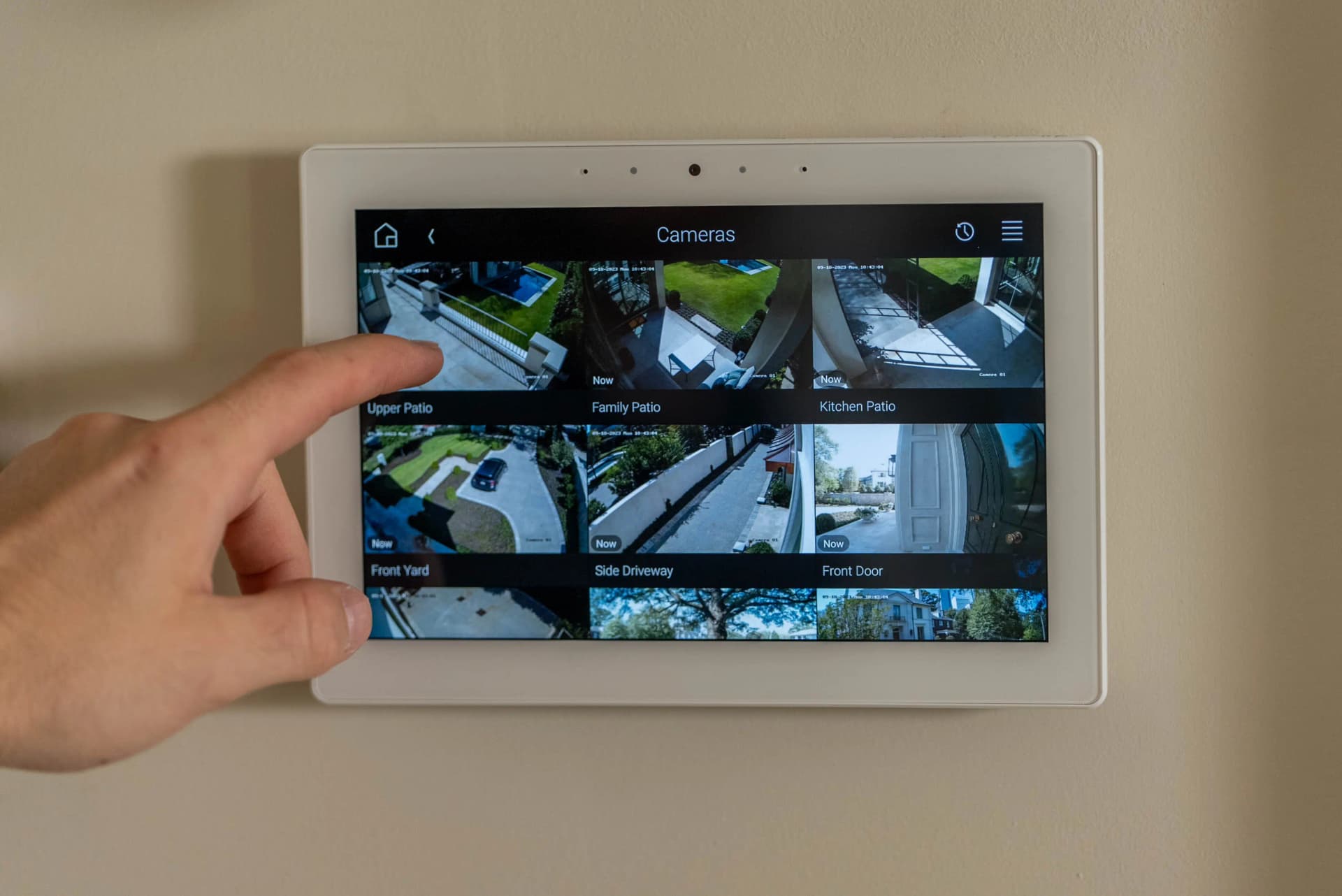
Selecting the right Security Systems requires understanding essential features that impact effectiveness and usability. High-quality cameras are the backbone of most Security Systems. Look for systems that offer clear resolution, night vision, wide coverage, and remote access. Advanced features such as motion detection, facial recognition, and cloud storage enhance security and provide valuable evidence in case of incidents.
Motion sensors detect unusual activity in and around your property. Door and window sensors alert you when an entry point is breached. Integrating multiple sensor types creates a layered defense, ensuring no access point is left unmonitored. Modern systems can differentiate between human movement and pets, reducing false alarms and improving reliability.
Effective Security Systems include audible alarms, smartphone notifications, and email alerts to ensure timely awareness of potential threats. Customizable alert settings allow users to prioritize critical notifications while minimizing disruptions.
Remote monitoring is a hallmark of modern Security Systems. Users can view live feeds, arm or disarm systems, and control connected devices from anywhere. This feature provides convenience, peace of mind, and immediate action in emergencies.
Reliable Security Systems must remain operational during power outages or network disruptions. Battery backups and cellular connectivity ensure uninterrupted protection even under adverse conditions, making your security system dependable around the clock.
Choosing the Right Security System for Your Property
Before selecting a system, evaluate the specific security requirements of your property. Consider property size, layout, occupancy, and local crime statistics. Understanding these factors helps determine the number of sensors, cameras, and control points necessary for optimal coverage.
Security Systems range widely in price depending on features, monitoring options, and brand reputation. While cost is an important factor, prioritize long-term value and reliability over short-term savings. Investing in a dependable system ensures comprehensive protection and reduces maintenance costs over time.
Decide whether professional installation or a DIY approach suits your needs. Wired systems often require professional expertise, while wireless systems can typically be installed without technical support. Assessing installation complexity ensures your system operates correctly and avoids potential vulnerabilities.
For users with existing smart home setups, selecting Security Systems that integrate seamlessly with lights, thermostats, locks, and voice assistants enhances convenience and efficiency. Unified control allows a more comprehensive approach to home management and security.
Monitoring and Response Services
Monitoring is a critical component of any Security Systems strategy. Professional monitoring services provide constant surveillance, ensuring rapid response during emergencies. Monitored Security Systems connect to trained operators who can assess alerts and dispatch emergency responders if needed. This service reduces response time and provides an added layer of protection for residents or business owners.
Self-monitored systems rely on user alerts, such as smartphone notifications or local alarms. While cost-effective, these systems require users to remain vigilant and respond promptly to potential threats.
Maintenance and Upkeep
Proper maintenance is essential to ensure your Security Systems continue functioning effectively. Regular checks of sensors, cameras, and alarms prevent malfunctions and extend system lifespan. Keeping system software and firmware up to date ensures security protocols are current and protects against potential vulnerabilities. Most modern Security Systems provide automatic updates, but periodic verification is recommended.
Wireless devices require battery replacement or recharging to maintain reliability. Additionally, inspect cameras and sensors for wear, physical damage, or obstruction to maintain optimal performance.
Security Systems for Apartments and Condos
Multi-unit properties present unique challenges for Security Systems. Shared walls, communal entrances, and limited installation permissions require careful planning. Wireless and smart systems are often the most practical solutions, providing comprehensive monitoring without extensive modifications. Key considerations include ensuring access control for residents, integrating building-wide alarms, and maintaining clear communication channels with property management.
Security Systems for Commercial Properties
Commercial spaces often require robust, scalable Security Systems. Features such as surveillance cameras with analytics, motion detection in large areas, access control for employees, and alarm integration with fire and safety systems are critical. Businesses must also comply with local regulations regarding surveillance and data privacy, making professional consultation essential.
Common Mistakes to Avoid When Buying Security Systems
Investing in Security Systems without proper research can lead to inadequate protection. Common mistakes include overestimating DIY capabilities, choosing low-quality equipment, neglecting monitoring services, and failing to consider future scalability. Avoiding these pitfalls ensures your security investment delivers reliable, long-term protection.
Future Trends in Security Systems
Technology continues to reshape Security Systems, introducing innovations such as AI-driven cameras, predictive analytics, smart locks, and integrated home automation. Staying informed about emerging trends allows users to invest in systems that remain effective and compatible with evolving technology standards.
Conclusion
Choosing the right Security Systems is a critical step in protecting your home, apartment, or commercial property. By understanding system types, essential features, monitoring options, and maintenance requirements, you can make an informed decision that balances safety, convenience, and cost. Prioritize reliability, scalability, and integration with your lifestyle to ensure your security system provides peace of mind for years to come.
Investing in a high-quality Security Systems solution is not just about property protection — it is about safeguarding your family, employees, and valued possessions. With careful planning and expert guidance, you can select a system that meets your needs today and adapts to tomorrow’s challenges. For further information, please visit our main page.
Frequently Asked Questions
What are the main types of Security Systems available?
The main types include wired systems, wireless systems, monitored systems, unmonitored systems, and smart home security systems. Each type offers unique advantages depending on property size, installation needs, and user preferences.
How much do Security Systems typically cost?
Costs vary widely based on system type, features, and monitoring services. Basic DIY wireless systems may cost a few hundred dollars, while professional wired setups with monitoring services can reach several thousand. Budget should balance features, reliability, and long-term value.
Do I need professional installation for a Security System?
Professional installation is recommended for wired systems or large-scale commercial setups to ensure proper functioning. Wireless and smart systems often allow DIY installation, but careful placement and configuration are essential for optimal performance.
Can Security Systems be integrated with smart home devices?
Yes, most modern smart Security Systems integrate seamlessly with home automation devices, including smart locks, lights, thermostats, and voice assistants. Integration enhances convenience and centralizes control over multiple systems.
How do I maintain my Security System?
Maintenance includes regular battery checks, software and firmware updates, and inspection of sensors and cameras. Ensuring devices are functional and unobstructed maximizes effectiveness and extends the system’s lifespan.