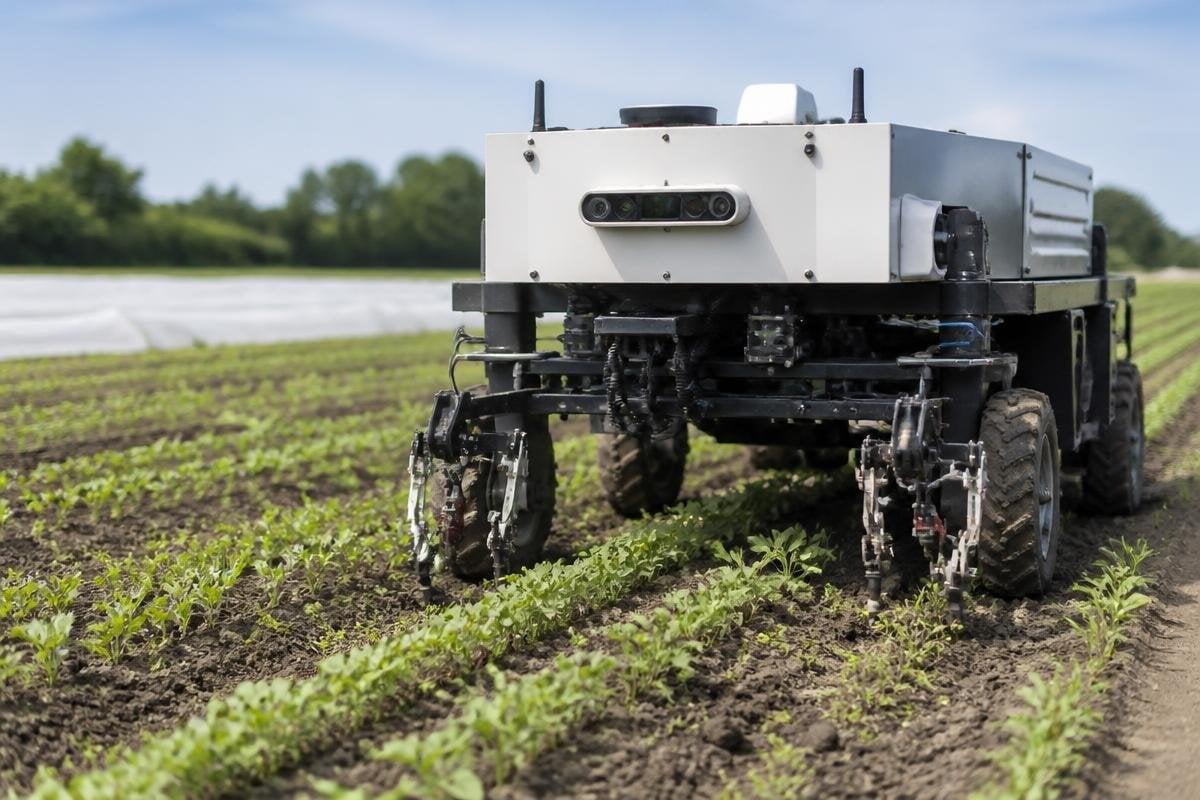
Understanding the Human Interface with AI
The intersection of human capabilities and artificial intelligence (AI) is a groundbreaking domain that reshapes interactions in various fields. The ability for humans to engage meaningfully with AI technologies fundamentally alters how tasks are executed, decisions are made, and experiences are enhanced. By focusing on the Human Interface with AI, we can explore the nuances of this intricate relationship and its profound implications.
Defining Human Interface with AI
The Human Interface with AI can be described as the methods and processes through which humans interact with and derive value from AI systems. This includes voice commands, visual displays, and touch interfaces that enable seamless communication between humans and machines. Understanding this interface requires not only a grasp of technological capabilities but also an appreciation for human behavior and psychology.
Importance of Human Interaction in AI
Human interaction is pivotal in the efficacy of AI applications. As AI systems take on complex tasks, human oversight ensures that ethical considerations are met, errors are mitigated, and the AI behaves according to the user's needs. By integrating human insight into AI algorithms, applications can become more responsive, adaptable, and ultimately effective. Moreover, human oversight is crucial in fostering trust, transparency, and accountability in AI systems.
Key Components of a Successful Interface
A robust Human Interface with AI hinges on several critical components:
- Intuitive Design: The interface should be user-friendly, requiring minimal training to navigate effectively.
- Context Awareness: AI must adapt its operations based on the user’s environment and specific needs.
- Feedback Mechanisms: Users should receive immediate and clear feedback from the AI to facilitate better interaction.
- Emotional Intelligence: AI systems that can interpret and react to human emotion will create more supportive user experiences.
Benefits of Implementing Human Interface with AI
Improved Efficiency in Work Processes
Integrating Human Interface with AI allows organizations to streamline workflows. By automating repetitive tasks, employees can focus on strategic activities that require human intelligence. Many businesses have reported significant time savings and increased productivity by implementing AI-driven tools in everyday operations.
Enhanced Decision-Making Capabilities
AI enhances decision-making by providing data-driven insights that humans can leverage. With advanced data analytics, AI assists users in evaluating trends, forecasting outcomes, and making informed strategic choices. This melding of human intuition and machine intelligence results in better decisions across various levels of operation.
Increased User Satisfaction and Adoption
A well-designed Human Interface with AI can lead to higher levels of user satisfaction by ensuring positive interaction experiences. When users feel that AI solutions support their work rather than hinder it, they are more likely to adopt these technologies and integrate them into their daily routines. Enhanced user satisfaction can result in better collaboration and innovation within teams.
Challenges in Human Interface with AI Development
Addressing User Trust Issues
Trust is a significant barrier to widespread AI adoption. Users often fear the unknown implications of AI decisions, especially concerning accountability and ethical behavior. Developers must focus on creating transparent interfaces that inform users about how their data is being used and how AI systems make decisions.
Overcoming Usability Barriers
AI interfaces must be designed with usability in mind. Many technologies are still perceived as complicated and inaccessible, discouraging diverse user groups. Focusing on inclusive design principles ensures that individuals from various backgrounds can engage with AI effectively.
Ensuring Data Privacy and Security
In the age of data, privacy and security concerns are paramount. Users are increasingly aware of how their information is used, leading to hesitance in utilizing AI systems. It is essential for developers to implement stringent data security measures and provide clear information about how user data is protected.
Best Practices for Designing Human Interfaces with AI
Conducting User Research and Testing
Engaging with end-users during the design phase is crucial for understanding their needs, preferences, and pain points. User research methods such as surveys, interviews, and usability testing can provide valuable insights that inform interface design and functionality.
Creating Intuitive and Accessible Interfaces
Designing with accessibility in mind ensures that all potential users can engage effectively with the AI interface. This includes considering font size, color contrast, and providing alternative text for images. Intuitive navigation is key to a positive user experience, making it easier for users to achieve their objectives.
Iterating Based on User Feedback
The development of Human Interfaces with AI should not be static. Continuous feedback from users allows developers to refine and improve interfaces over time based on real-world experiences and challenges. Iterative design processes, including prototyping and testing cycles, can lead to more effective and user-friendly outcomes.
Future Trends in Human Interface with AI
Emerging AI Technologies and Interfaces
The landscape of Human Interface with AI is shifting rapidly as new technologies emerge. Advanced natural language processing and machine learning tools will redefine how users interact with machines, making interfaces more conversational and intuitive. Additionally, enhanced virtual reality (VR) and augmented reality (AR) capabilities will provide immersive experiences that change the way tasks are performed.
Impact on Workforce Dynamics
As AI continues to advance, the dynamics of the workforce will evolve. Human roles will increasingly center around collaboration with AI systems rather than purely executing tasks. This shift necessitates a reevaluation of skills, training, and organizational structure to harness the full potential of these technologies while ensuring employees are equipped for future challenges.
Preparing for a Collaborative Future
To adapt to the changes caused by AI, organizations will need to promote a culture of collaboration where human workers and AI systems function cohesively. This involves prioritizing interpersonal skills alongside technological proficiency, encouraging a flexible approach to work that can integrate evolving AI capabilities.
FAQs
What is the Human Interface with AI?
The Human Interface with AI includes the ways in which humans interact with AI technologies, such as voice commands, visual displays, and touch interfaces. It's essential for effective communication between users and machines.
Why is human interaction important in AI?
Human interaction is vital as it ensures ethical behavior, reduces errors, and aligns AI outputs with user expectations. This dynamic fosters trust and responsiveness in AI applications.
What are the benefits of implementing a Human Interface with AI?
Key benefits include improved work efficiency, enhanced decision-making capabilities, and increased user satisfaction, leading to better adoption rates of AI technologies.
What challenges exist in Human Interface with AI development?
Challenges include building user trust, overcoming usability barriers, and ensuring stringent data privacy and security across platforms.
How can I ensure my AI interface is user-friendly?
Conduct user research, prioritize intuitive design, create accessible interfaces, and gather continuous feedback to iterate and improve your AI product’s design for better user experience.