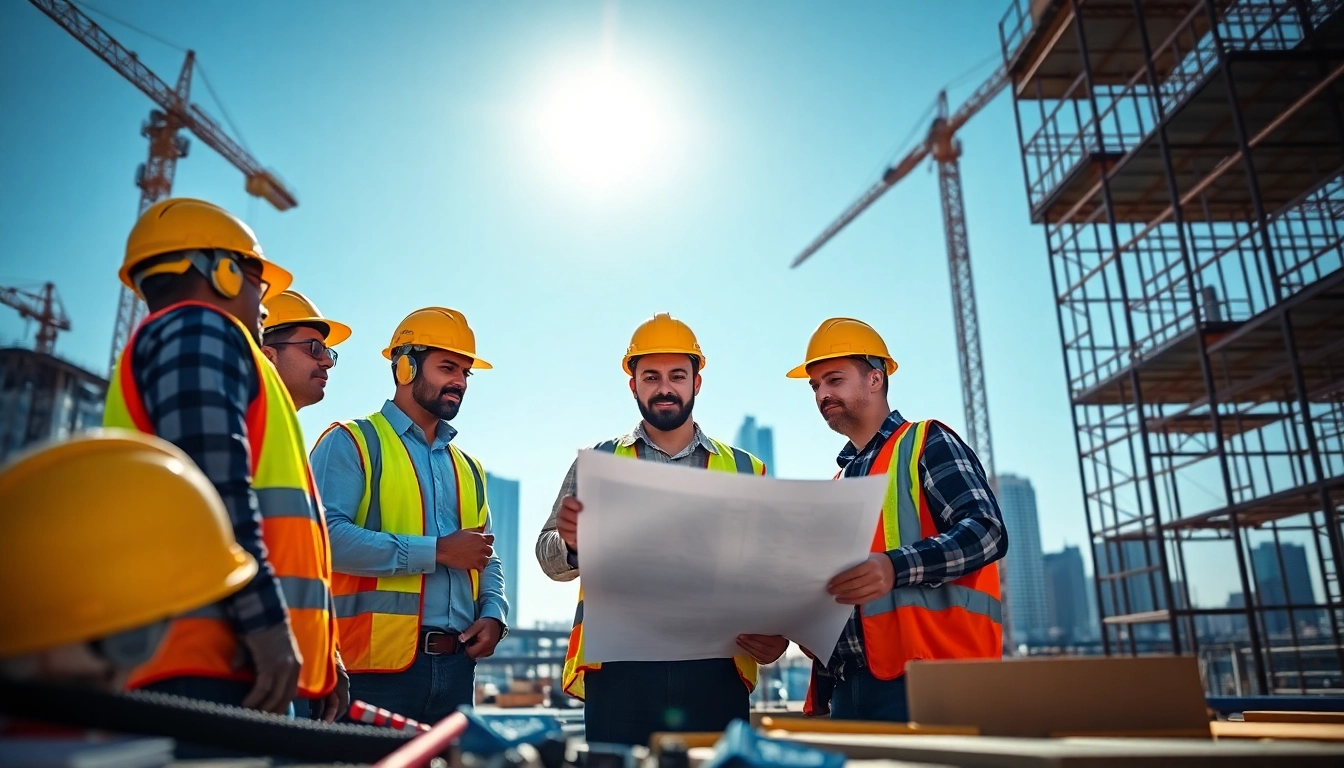
Understanding Austin Construction Trends
Current Market Overview
The Austin construction sector has experienced substantial growth over recent years, driven by a booming population, economic expansion, and an influx of industries. Central Texas, particularly Austin, has become a focal point for new developments, both residential and commercial. With diverse urban neighborhoods, technological hubs, and access to natural beauty, the demand for innovative construction solutions is greater than ever. According to market analysts, the construction industry's contributions to the local economy have been significant, attracting both national and international investments.
Overall, the current market for Austin construction is characterized by high demand for multifamily units and commercial real estate development. With a thriving job market and a vibrant cultural scene, more people are moving to the area, leading to increased demand for housing options. Additionally, urban infill projects are being prioritized, allowing for efficient land use while preserving green spaces.
Emerging Opportunities in Austin Construction
As the city undergoes rapid growth, new opportunities emerge for construction firms that can adapt to evolving needs. Here are some key areas to explore:
- Affordable Housing Initiatives: With the rising cost of living, the demand for affordable housing has surged. Builders can capitalize on public-private partnerships to create mixed-income housing projects.
- Sustainable Building Practices: Environmental sustainability is now a priority in construction. Utilizing green materials and energy-efficient designs not only meets regulatory demands but can also attract environmentally conscious clients.
- Smart Home Technology: The integration of smart technology in homes is not only a trend but also a demand among the younger populations moving into the market. Builders who incorporate such features will likely gain a competitive edge.
Regulatory Considerations for Businesses
Navigating the myriad of regulations and permitting processes can be daunting for companies involved in Austin construction. It is imperative for construction firms to stay informed about local ordinances and zoning laws that impact building practices.
One crucial aspect to monitor includes environmental regulations, which have become increasingly strict. Adhering to the Austin Energy Green Building Program can help ensure compliance while also enhancing a project's marketability. Moreover, engaging with the local community and understanding their concerns can facilitate smoother project approvals and foster good relationships.
Best Practices in Austin Construction Management
Project Planning Essentials
Effective project planning is the backbone of successful construction management. Establishing clear objectives and realistic timelines allows teams to align their resources effectively. Firms should consider adopting the following strategies:
- Defining Scope Clearly: Clearly outlining the project requirements and expectations at the outset helps prevent scope creep—a common issue that can derail timelines and budgets.
- Strategic Resource Allocation: Understanding which tasks require more hands and budget allocation ensures that critical phases of the project run smoothly.
- Regular Check-ins and Updates: Conducting consistent progress meetings among key stakeholders helps keep everyone aligned and allows for quick adjustments if issues arise.
Effective Communication Among Teams
Communication breakdowns can lead to costly delays or misalignment. Establishing robust channels for communication and collaboration among the architectural, engineering, and construction teams is essential. Utilizing collaborative software can enhance transparency, ensuring that everyone is up-to-date with project developments.
Implementing a clear hierarchy for communication also helps streamline the decision-making process, allows for faster problem resolution, and fosters an environment of collaboration and mutual support.
Utilizing Technology in Austin Construction
The construction industry is increasingly adopting advanced technology to enhance productivity and efficiency. Some noteworthy tools and practices include:
- Building Information Modeling (BIM): BIM is transforming the way projects are designed and executed, allowing for better visualization and collaboration across teams.
- Drones: Drones can be used for site surveying and monitoring progress, offering real-time data and aerial insights into project developments.
- Project Management Software: Leveraging comprehensive software solutions can improve project tracking, resource management, and communication among team members.
Environmental Impact and Sustainability in Austin Construction
Eco-Friendly Building Materials
As sustainability becomes a priority for both consumers and regulators, choosing eco-friendly building materials is key. Implementing sustainable practices not only reduces environmental impacts but can also result in long-term cost savings for builders and homeowners alike. Options such as reclaimed wood, bamboo, and recycled steel are gaining popularity for their low environmental footprint.
Energy Efficiency Strategies
Energy-efficient designs are essential to reducing operational costs and minimizing environmental impacts. These strategies can include:
- High-Performance Insulation: Investing in superior insulation materials can significantly improve a building's energy efficiency.
- Smart Systems: The use of smart thermostats and energy controls can help manage a building’s energy consumption effectively.
- Renewable Technologies: Incorporating solar panels or wind turbines can reduce reliance on non-renewable resources and enhance sustainability efforts.
Compliance with Environmental Standards
Staying compliant with local, state, and federal environmental regulations is paramount for construction firms. This can involve regular audits of purchasing materials, waste management practices, and energy use. Companies that prioritize environmental compliance can enhance their reputation and avoid potential fines, while also attracting clients committed to sustainability.
Financial Strategies for Successful Austin Construction Projects
Budgeting and Cost Management Techniques
Effective budgeting is crucial for the success of construction projects. Inaccuracies in budgeting can lead to significant financial setbacks. Implementing robust cost management strategies from the project's outset allows firms to operate within their financial means.
Techniques for better cost management can include:
- Detailed Cost Estimates: Conduct thorough analyses of all costs associated with a project, including labor, materials, and overhead.
- Contingency Planning: Allocating a percentage of the budget for unforeseen expenses can prevent financial difficulties as the project progresses.
- Regular Financial Reviews: Frequent budget reviews can help identify variances early, allowing for timely adjustments.
Funding Options for Development Projects
In the competitive Austin construction environment, identifying viable funding options is crucial for the success of large-scale projects. Various financing methods can be employed, including traditional bank loans, private investors, and state funding programs aimed at promoting economic growth.
Additionally, some developers explore crowdfunding platforms for real estate projects, allowing the community to invest directly in developments that benefit them. Understanding the array of funding options and their implications can empower construction firms to make informed financial decisions.
ROI Measurement and Assessment
Measuring the return on investment (ROI) for construction projects is essential for evaluating financial success and determining the feasibility of future endeavors. Establishing clear metrics for measuring success, including cost savings, time efficiency, and post-completion appraisals can provide valuable insights.
Furthermore, tracking performance metrics post-construction helps firms analyze project viability and areas for improvement, leading to enhanced execution on future projects.
Future Outlook for Austin Construction Industry
Predicted Innovations in Building Techniques
The future of Austin construction will see the integration of cutting-edge innovations that push the boundaries of traditional building techniques. 3D printing, modular construction, and artificial intelligence are expected to play prominent roles in the industry, streamlining workflows and enhancing project efficiency.
As the market evolves, builders must adapt and embrace these innovations to remain competitive and meet the demands of modern clients.
Community Growth and Development Implications
The growth of Austin's construction industry has significant implications for community development. As residential and commercial developments occur, there is an interplay between construction, urban planning, and community needs. Engaging with local residents and stakeholders can mitigate potential conflicts and ensure that developments align with community vision.
Successful projects not only focus on profitability but also consider the social and cultural dynamics of the area, leading to stronger, more cohesive communities.
Long-Term Strategic Planning for Companies
Long-term strategic planning is vital for construction companies aiming to thrive in an ever-evolving market. This planning can involve regular market analysis to recognize emerging trends and align services accordingly. Companies should develop succession plans to cultivate new leaders within their teams, ensuring a smooth transition as industry challenges evolve.
Moreover, investing in workforce development and training programs can help ensure that employees have the necessary skills for the future, fostering a culture of innovation and adaptability that can benefit the entire company.