
1. Understanding the Austin Construction Landscape
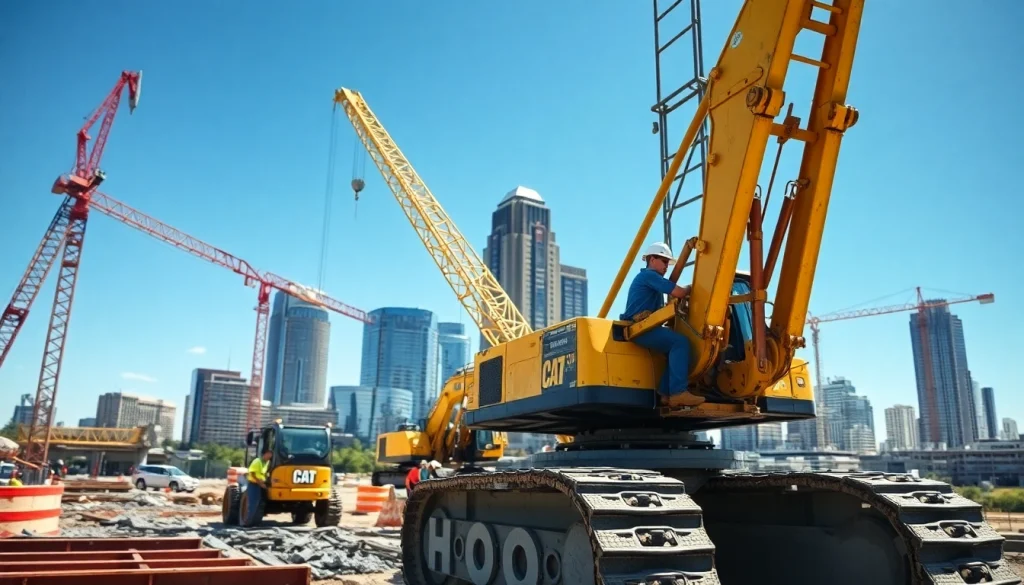
Austin, Texas is experiencing a construction boom fueled by its rapid population growth, a robust economy, and a demand for infrastructure and housing development. The industry, while vibrant, is also complex, governed by various regulations, and influenced by a range of local and national economic factors. This article delves into the intricacies of the Austin construction scene, exploring its projects, key players, and the regulatory frameworks that shape it.
1.1 Overview of Construction Projects in Austin
The construction landscape in Austin is diverse, comprising residential, commercial, and public sector projects. Residential developments are booming, driven particularly by the influx of people moving to Austin for its job opportunities and quality of life. As of 2023, significant residential projects include high-density apartments and sprawling suburban developments that cater to a range of demographics.
Commercial construction is equally robust. The tech industry, with giants like Google and Apple making substantial investments in office spaces, has led to the emergence of innovative buildings that reflect Austin’s cultural identity. Furthermore, public infrastructure projects aim to accommodate the growing population’s needs, such as transportation upgrades and public space enhancements.
1.2 Key Players in the Austin Construction Industry
Austin’s construction industry features a blend of local firms and large national contractors, each contributing to the city’s unique architectural character. Key players include general contractors, subcontractors, architects, and engineering firms. Some notable local firm examples are Underwood, Fonda & Associates, and McKinney York Architects, while national players like Turner Construction and JE Dunn have a significant presence.
Often, these firms collaborate on large-scale projects, pooling resources and expertise to maximize efficiency and innovation. Additionally, local government agencies and non-profit organizations play crucial roles in overseeing projects and advocating for sustainable development within the city.
1.3 Regulatory Framework and Building Codes
The regulatory framework governing construction in Austin involves a combination of local ordinances, state regulations, and federal mandates. The City of Austin’s Development Services Department is responsible for processing permits, ensuring compliance with zoning laws, and enforcing building codes aimed at safety and environmental protection.
Builders must navigate a complex landscape that includes requirements for energy efficiency, accessibility standards, and sustainability provisions. Recent initiatives, such as the Austin Energy Green Building program, encourage developers to adopt sustainable practices that align with community goals and environmental standards.
2. Emerging Trends in Austin Construction
As the construction scene evolves, various trends are shaping how projects are planned and executed in Austin. These trends not only reflect technological advancements but also community values and environmental considerations.
2.1 Sustainable Building Practices
One of the most prominent trends in Austin’s construction industry is the focus on sustainability. As climate change concerns intensify, builders are increasingly integrating eco-friendly practices into their projects. This includes the use of sustainable materials, water-efficient systems, and designs that minimize energy consumption.
For example, several recent developments incorporate solar panels and green roofs, reducing their carbon footprints and operational costs. Additionally, regulations enforce stringent environmental assessments to ensure that new constructions are not only sustainable but also enhance the surrounding ecosystem.
2.2 Innovative Materials and Technologies
The Austin construction industry is witnessing the adoption of innovative materials and construction technologies. Advanced materials such as cross-laminated timber (CLT) and prefabricated components are being utilized to expedite construction timelines and enhance building performance.
Moreover, technology integration, such as Building Information Modeling (BIM), allows for improved visualization, planning, and collaboration among stakeholders. The inclusion of smart building technologies, such as IoT devices and automated systems, is also on the rise, offering enhanced operational efficiencies and occupant comfort.
2.3 The Impact of Urbanization on Construction
Austin’s rapidly growing population and urbanization trends are influencing construction practices significantly. As more people migrate to the city, there is a pressing need for vertical development to maximize space usage. High-rise buildings are becoming increasingly common in urban areas, aiming to balance population density with livability.
Urbanization also necessitates the development of mixed-use spaces that integrate residential units with commercial and recreational areas. This multidimensional approach not only enhances property value but also fosters community engagement and accessibility.
3. Challenges Facing Austin Construction Companies
Despite the booming construction landscape, Austin construction companies face several challenges that can impact project timelines, budgets, and overall feasibility. Recognizing and addressing these challenges is crucial for successful project execution.
3.1 Labor Shortages and Workforce Development
A significant challenge impacting the Austin construction industry is the shortage of skilled labor. As construction activity increases, the demand for skilled tradesmen and project managers outpaces supply. This labor gap is particularly pronounced in specialized fields such as electrical work, plumbing, and carpentry.
To combat this issue, many construction firms are investing in workforce development programs, partnering with local educational institutions to create apprenticeships and training initiatives. By fostering a new generation of skilled workers, companies aim to build a reliable workforce capable of meeting the city’s growing construction demands.
3.2 Supply Chain Disruptions
The construction industry has also been significantly affected by global supply chain disruptions. The COVID-19 pandemic highlighted vulnerabilities, leading to materials shortages and price increases across various sectors. Many Austin companies have struggled to maintain project timelines due to these disruptions.
To mitigate such risks in the future, firms are adopting more resilient supply chain strategies, including diversifying suppliers and sourcing materials locally whenever possible. This not only helps to reduce reliance on global markets but also supports the local economy.
3.3 Navigating Local Regulations
Local regulations can present additional challenges for construction companies operating in Austin. Navigating the myriad of zoning laws, environmental regulations, and building codes can be complex and time-consuming. Any missteps can lead to costly delays and challenges in obtaining necessary permits.
To ensure compliance, many firms are investing in legal counsel and regulatory experts to help them navigate this intricate landscape. Staying updated with changes in regulation is also critical, particularly as city policies evolve in response to growth and community concerns.
4. Best Practices for Successful Construction Projects
With the challenges faced by construction firms, adopting best practices in project management can lead to more successful outcomes. The following methodologies can enhance efficiency, ensure safety, and improve cost management.
4.1 Project Management Techniques
Effective project management is quintessential to the success of any construction endeavor. Utilizing methodologies such as Agile or Lean can optimize workflows and reduce waste. These methodologies emphasize collaboration and flexibility, enabling teams to adapt quickly in response to changes and challenges during construction.
Regular project reviews, stakeholder meetings, and constructive feedback loops keep all parties informed and engaged, facilitating a smoother construction process.
4.2 Cost Estimation and Budgeting
Accurate cost estimation and budgeting are vital for maintaining project viability and financial health. Construction companies should adopt comprehensive estimating software that integrates with other project management tools, ensuring alignment in projected vs. actual expenses.
Moreover, implementing regular financial reviews during the project lifecycle can help identify potential overruns early, allowing for timely corrective measures.
4.3 Safety Standards in Construction
Establishing rigorous safety standards is paramount in construction, given the inherent risks associated with the industry. Companies should develop comprehensive safety protocols, conduct regular training sessions, and foster a culture of safety among workers.
By prioritizing safety, companies not only protect their workforce but also enhance their reputation and minimize liability risks associated with workplace accidents.
5. Future Outlook for Austin’s Construction Sector
The outlook for Austin’s construction sector appears robust, driven by ongoing urbanization, technological advancements, and a commitment to sustainability. As the city continues to grow, several key factors will shape its future construction landscape.
5.1 Predictions for Market Growth
According to industry analysts, Austin’s construction market is predicted to see a compound annual growth rate (CAGR) of about 4-5% over the next several years. This growth will be fueled by the continued influx of residents and the demand for housing, commercial spaces, and infrastructure improvements.
Regional economic development initiatives will also contribute to this positive outlook as local leaders strive to attract businesses and foster a thriving economy.
5.2 Key Sectors Driving Construction Demand
Several sectors are poised to drive construction demand in Austin significantly. The residential sector will remain a key area of growth, especially for affordable housing options. The commercial sector will continue to thrive with diverse businesses, including tech startups and retail outlets, necessitating innovative office spaces and shopping venues.
Additionally, public infrastructure and transportation projects, like the expansion of public transit systems, will contribute to the construction demand, enhancing connectivity within the city.
5.3 The Role of Technology in Future Projects
Technology will play an increasingly vital role in the future of Austin’s construction projects. The integration of artificial intelligence, machine learning, and advanced construction techniques will facilitate smarter building processes.
Furthermore, the adoption of augmented reality (AR) for project visualization and site management will enhance communication among stakeholders, reduce errors, and improve project outcomes. Companies that embrace these technological innovations will likely gain a competitive edge in Austin’s evolving construction landscape.