
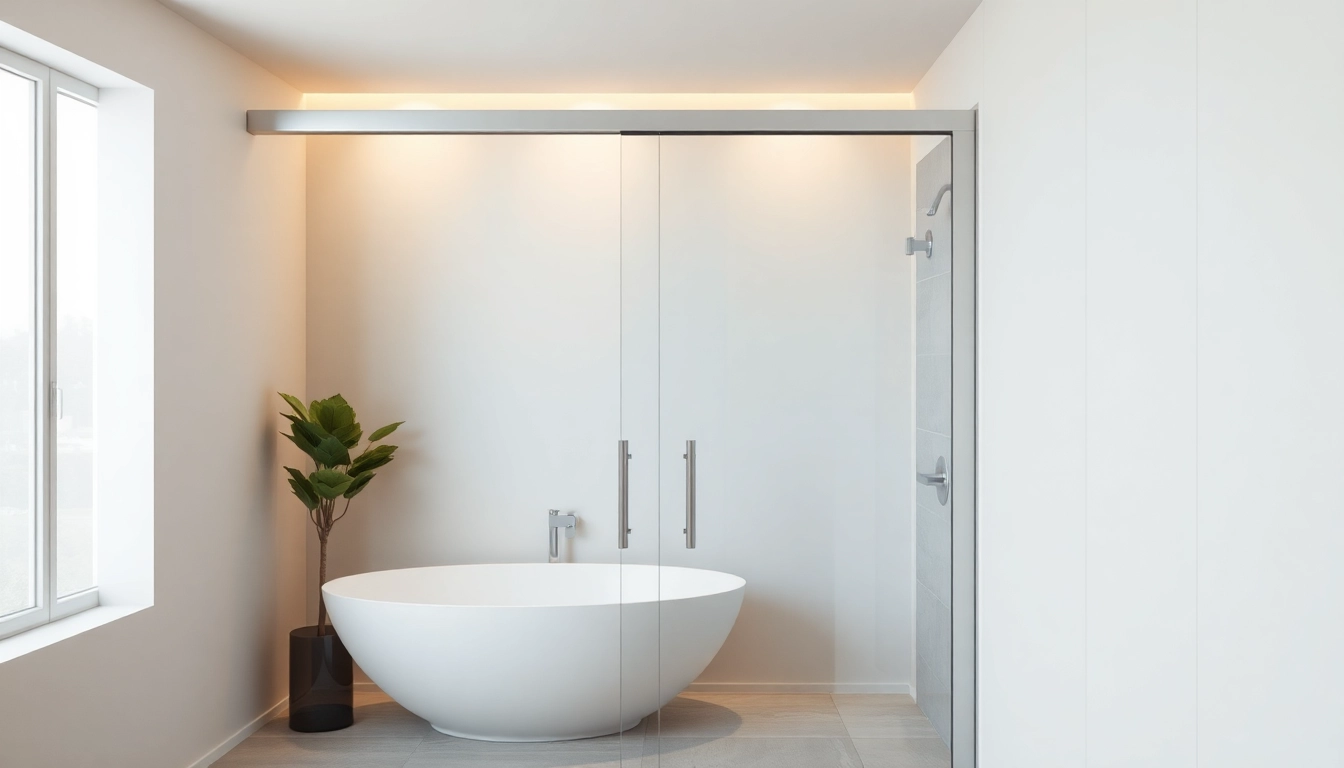
Understanding the Benefits of a Sliding Shower Door
When it comes to bathroom design, functionality and space utilization are key considerations. One popular choice that has gained traction is the sliding shower door. With their sleek design and practicality, sliding shower doors offer numerous benefits that make them a preferred option for many homeowners. Whether you’re building a new home or renovating an existing bathroom, understanding the advantages of a sliding shower door can help you make an informed decision.
Space Efficiency and Design Flexibility
Sliding shower doors are particularly advantageous in smaller bathrooms where space is limited. Unlike traditional hinged doors that require clearance to swing open, sliding doors glide along a track, allowing for seamless entry and exit without needing additional space. This design flexibility not only conserves space but can also enhance the overall aesthetic of the bathroom. Available in various styles—from modern frameless designs to ornate framed varieties—sliding shower doors can be tailored to fit any décor scheme.
Ease of Use and Accessibility
Accessibility is another critical factor for many homeowners. Sliding shower doors are generally easier to operate than bi-fold or hinged options, making them suitable for individuals of all ages and physical capabilities. The smooth gliding mechanism simplifies the process of entering and exiting the shower, reducing barriers for those with mobility challenges. Additionally, sliding doors can help create a barrier-free transition, making them ideal for walk-in showers and modern bathroom designs focused on inclusivity.
Maintenance and Cleaning Considerations
Maintenance is often a significant concern for homeowners when selecting shower doors. Sliding shower doors, especially those with a frameless design, are easier to maintain due to their streamlined structure. However, keeping the tracks clean is essential to ensure smooth operation. Routine cleaning with a non-abrasive cleaner can prevent soap scum and mineral buildup. Advanced materials such as tempered glass are not only sturdy but also resistant to scratching, which contributes to longevity and ease of maintenance.
Types of Sliding Shower Doors Available
Choosing the right sliding shower door involves understanding the various options available on the market. Each type has its unique features, benefits, and considerations that can impact your choice.
Framed vs. Frameless Sliding Shower Door
Framed sliding shower doors feature a metal frame around the glass, adding durability and structure. They are generally more affordable and come in a variety of styles and finishes. On the other hand, frameless sliding doors provide a sleek, contemporary look, as they lack visible framing hardware. They often use thicker glass, which can enhance durability and aesthetic appeal but comes at a higher price point. The choice between framed and frameless hinges on your budget, style preferences, and maintenance willingness.
Bypass vs. Bi-fold Designs
Bypass sliding doors consist of two panels that slide over each other, allowing for a wider opening when needed. This is particularly advantageous for larger showers and makes it easier for multiple users. Bi-fold doors, however, fold away when opened, requiring slightly more space than bypass doors. They can be ideal in compact areas yet may limit design flexibility. Deciding between these designs will largely depend on the layout of your bathroom and personal preference concerning accessibility and flow.
Glass Thickness and Safety Features
The thickness of the glass used in sliding shower doors plays a significant role in both safety and aesthetics. Common thicknesses range from 1/4 inch to 1/2 inch. Thicker glass is generally more durable and less prone to breakage. Additionally, safety features such as tempered glass or laminated glass can be crucial in ensuring user safety. Tempered glass can withstand impacts better than regular glass and shatters into small, less harmful pieces if broken. When selecting glass, always prioritize safety along with style.
Installation Process for Sliding Shower Doors
Installing a sliding shower door may seem daunting, but with proper preparation and guidance, it can be accomplished effectively. Understanding the installation process can save you time and avoid costly mistakes.
Preparing Your Bathroom for Installation
Before beginning installation, proper preparation is essential. Start by measuring the dimensions of your shower opening accurately to ensure a perfect fit. Ensure the wall surfaces are clean, dry, and free of any obstructions. If you’re replacing old doors, remove them carefully without causing damage to surrounding fixtures. Inspect the shower area for any necessary repairs and ensure the surface is level to support the new installation.
Essential Tools and Materials Needed
Gathering the right tools and materials prior to installation will streamline the process. Generally, you will need: a drill, screwdriver, level, measuring tape, caulk gun, silicone sealant, and the appropriate hardware included with your sliding shower door kit. Having these tools ready can help facilitate a smoother installation process and ensure a professional finish.
Step-by-Step Installation Guide
- Install the Track: Follow the manufacturer’s instructions to install the track on top of the shower stall. Ensure it’s level using a level tool.
- Attach the Roller Brackets: Connect the roller brackets to each glass panel as specified in the manual.
- Hang the Glass Panels: Carefully lift and place the glass panels onto the installed track. Ensure they slide smoothly.
- Seal Gaps: Utilize silicone sealant along edges and joints to prevent water leakage and provide a finished look.
- Final Adjustments: Test the sliding mechanism and make any necessary adjustments to the rollers for optimal functionality.
While installation can often be completed by DIY enthusiasts, enlisting a professional can ensure optimal results, especially in complex setups.
Cost Considerations for Sliding Shower Doors
The cost of sliding shower doors can vary significantly depending on materials, design, and installation complexity. Understanding these costs will help you set a realistic budget.
Budgeting for Purchase and Installation
On average, sliding shower doors cost between $700 and $2,000, depending on the style and glass thickness. Installation costs can range from $200 to $500, depending on labor rates in your area and the complexity of your installation process. It’s useful to gather multiple quotes from professionals if you opt for installation services, ensuring that you get the best value for your investment.
Comparing Costs of Different Designs
When comparing costs, consider not only the initial purchase price but also the long-term maintenance expenses. While budget options may save money upfront, investing in high-quality materials can lead to savings over time by reducing the need for repairs or replacements. Always compare costs among similar designs and evaluate their benefits before making a decision.
Long-term Value and Investment
Investing in sliding shower doors not only enhances your bathroom’s functionality and visual appeal but can also increase your home’s resale value. High-quality doors enhance the overall bathroom aesthetics, making it more attractive to potential buyers. Additionally, ease of cleaning and maintenance translates to longevity, ensuring you get a return on investment over time.
FAQs About Sliding Shower Doors
How much do sliding shower doors typically cost?
Sliding shower doors generally range in cost from $700 to $2,000, depending on materials and glass thickness. Installation may add another $200 to $500.
Are sliding shower doors easier to use than traditional doors?
Yes, sliding shower doors are typically easier to use as they don’t require additional space to swing open, making them ideal for smaller bathrooms.
What is the best way to clean sliding shower doors?
Regularly clean sliding shower doors with a non-abrasive glass cleaner and ensure tracks are free from soap scum and debris for optimal performance.
Can sliding shower doors fit in small bathrooms?
Absolutely! Sliding shower doors are perfect for small bathrooms due to their space-saving design, allowing for seamless entry without requiring extra clearance.
How can I choose the right glass thickness for safety?
Opt for a thickness of at least 1/4 inch for adequate durability and safety. Tempered glass is recommended for enhanced strength and safety features.