
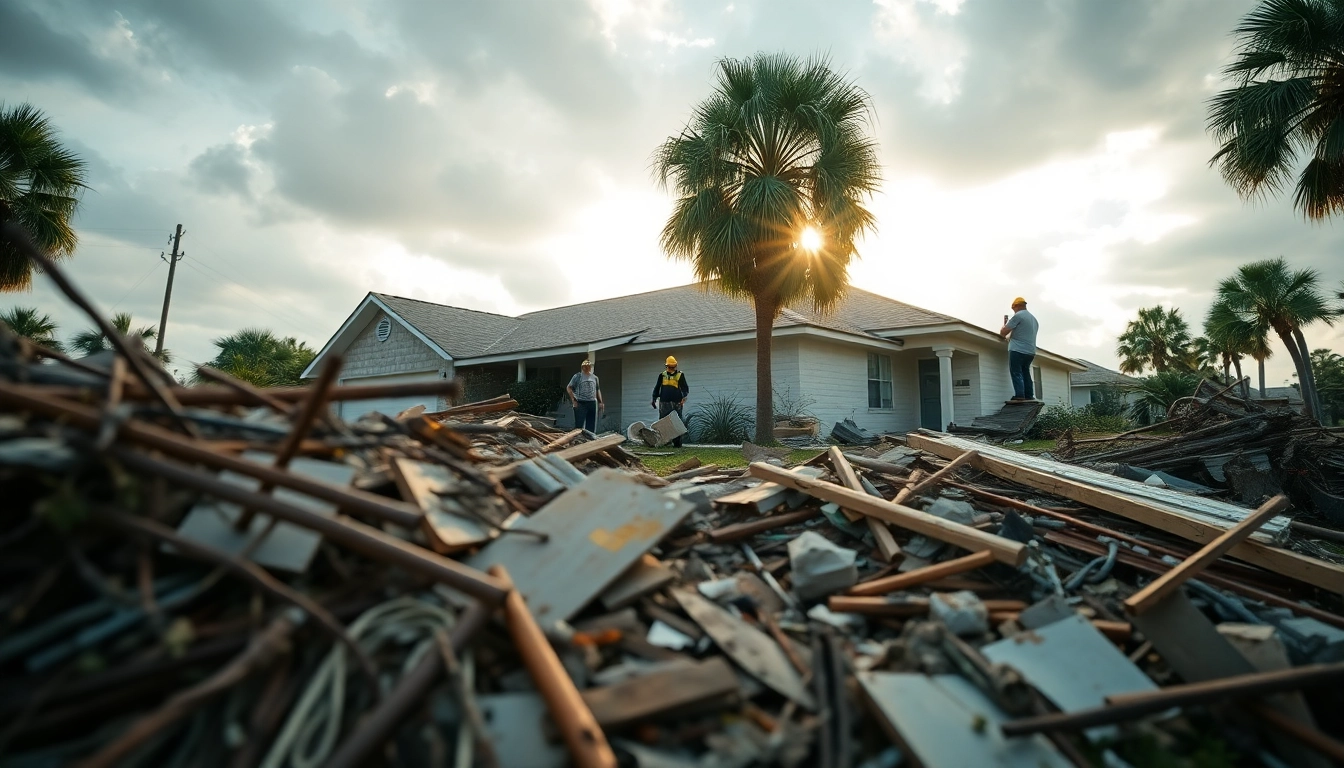
- Understanding the Depth of Florida Hurricane Damage
- Understanding Florida Hurricane Damage: Causes and Consequences
- Immediate Response Actions to Florida Hurricane Damage
- Long-Term Recovery Strategies for Florida Hurricane Damage
- Preventive Measures Against Future Florida Hurricane Damage
- Case Studies on Florida Hurricane Damage Recovery
Understanding the Depth of Florida Hurricane Damage
Florida’s unique geographical position makes it particularly vulnerable to hurricanes. As climate change intensifies weather patterns, the risk of severe storms escalates, resulting in catastrophic consequences for communities, infrastructure, and the environment. This issue calls for a thorough exploration of Florida Hurricane Damage to equip residents and policymakers with strategies for coping and recovery. In this comprehensive article, we’ll delve into hurricane dynamics, historical impacts, immediate response actions, long-term recovery strategies, preventive measures, and case studies that illuminate recovery efforts.
Understanding Florida Hurricane Damage: Causes and Consequences
1. Overview of Hurricane Dynamics
Hurricanes, also known as tropical cyclones, are intense storms that form over warm ocean waters. They are characterized by low atmospheric pressure, high winds, and heavy rain. The dynamic nature of these storms is the result of various meteorological elements, including temperature, humidity, and wind patterns. As Florida is positioned at the convergence of warm Gulf Stream waters and cooler air masses, it often becomes a breeding ground for hurricanes during the Atlantic hurricane season, which typically runs from June to November.
2. Historical Impact Analysis of Florida Hurricanes
Florida has faced numerous hurricanes over the decades, each leaving a mark on its landscape and population. Historical data reveals that hurricanes such as Andrew (1992), Charley (2004), and Irma (2017) have caused billions in damages and countless evacuations. For example, Hurricane Andrew inflicted approximately $26.5 billion in damages, making it one of the costliest storms in the state’s history. These storms not only damage structures but also disrupt ecosystems and livelihoods, requiring years for recovery.
3. Types of Damage Associated with Hurricanes
Hurricane damage is multifaceted and includes:
- Structural Damage: High winds and flooding can cause roofs to collapse, walls to buckle, and windows to shatter.
- Flood Damage: Heavy rain and storm surges can inundate homes and businesses, leading to long-term mold issues and compromised foundations.
- Environmental Damage: Hurricanes devastate natural habitats, uproot trees, and contaminate water supplies, which can lead to ecological shifts.
- Economic Disruptions: Local businesses often suffer due to property damage and a halt in consumer activity, necessitating economic recovery programs.
Immediate Response Actions to Florida Hurricane Damage
1. Emergency Preparedness and Planning
The key to minimizing Florida hurricane damage lies in effective emergency preparedness. Local governments and organizations must have robust hurricane response plans that outline evacuation routes, shelters, and resource distribution. Residents should familiarize themselves with these plans and create personal emergency kits that include medical supplies, non-perishable food, and water.
2. On-Site Damage Assessment Procedures
Once a hurricane passes, a swift and thorough damage assessment is crucial for recovery efforts. Trained professionals should conduct on-site evaluations to identify structural damages, estimate repair costs, and prioritize resources. Assessment tools such as drones and GIS mapping can enhance the accuracy and efficiency of damage evaluations.
3. Engaging Local Authorities and Organizations
Effective response to hurricane damage requires collaboration among local authorities, non-profit organizations, and community volunteers. Establishing communication channels before disasters can foster rapid information sharing. Relief agencies can mobilize quickly to provide immediate assistance, including food, medical care, and shelter.
Long-Term Recovery Strategies for Florida Hurricane Damage
1. Rebuilding Infrastructure and Homes
Post-hurricane recovery extends beyond immediate relief; it involves rebuilding infrastructure to withstand future storms. Resilient construction practices, such as reinforced structures and flood-resistant designs, should be adopted. Collaboration with engineers and architects specializing in disaster recovery can ensure that rebuilding efforts incorporate the lessons learned from previous hurricanes.
2. Financial Assistance Programs and Resources
To facilitate long-term recovery, various financial assistance programs are available. The Federal Emergency Management Agency (FEMA) provides grants for temporary housing and home repairs, while the U.S. Small Business Administration offers low-interest loans to businesses affected by disasters. Local organizations often have tailored programs that address community-specific needs.
3. Community Involvement in Recovery
Successful recovery efforts hinge on active community involvement. Engaging residents in recovery planning empowers them to express their needs and shape solutions. Awareness campaigns can inform communities about available resources, and community-driven initiatives can foster a shared sense of responsibility and ownership in rebuilding efforts.
Preventive Measures Against Future Florida Hurricane Damage
1. Building Codes and Regulations
Implementing strict building codes is essential for minimizing structural damage from hurricanes. New constructions should meet or exceed hurricane-resistant standards, which include wind-resistant materials and elevated foundations. Regular updates to local regulations ensure that building practices evolve with changing climate risks.
2. Landscape Management for Resilience
Effective landscape management plays a significant role in reducing hurricane damage. Planting trees and vegetation strategically can help absorb floodwaters and provide windbreaks. Additionally, maintaining healthy wetlands can enhance natural defenses against storm surges. Communities can engage in tree planting initiatives that bolster resilience and enhance ecosystem services.
3. Climate Change Impacts and Adaptation
As climate change continues to influence hurricane frequency and intensity, proactive adaptation measures are vital. Developing comprehensive climate action plans that emphasize sustainability, conservation, and disaster preparedness can position Florida for better resilience against future storms. Stakeholders must focus on reducing greenhouse gas emissions and investing in green technologies to combat climate change effectively.
Case Studies on Florida Hurricane Damage Recovery
1. Successful Recovery Stories from Past Hurricanes
Examining successful recovery initiatives provides valuable insights. After Hurricane Irma, communities in Florida executed rapid recovery programs that prioritized housing, infrastructure, and economic revitalization. For instance, the establishment of temporary housing units allowed displaced residents to return to their communities while reconstruction took place.
2. Lessons Learned for Future Preparedness
Each hurricane recovery experience teaches critical lessons that can inform future preparedness. For example, the coordination of local volunteers during Hurricane Michael exemplified the power of community in addressing immediate needs. Better communication strategies and resource-sharing models can enhance collaborative efforts during future crises.
3. Role of Technology in Damage Assessment and Recovery
Technology has become an integral part of hurricane damage assessment and recovery. The use of satellite imagery and data analytics allows for real-time monitoring of storm impacts, facilitating timely decision-making. Additionally, mobile applications can enable residents to report damages and receive updates on recovery efforts, ensuring transparency and accountability.