
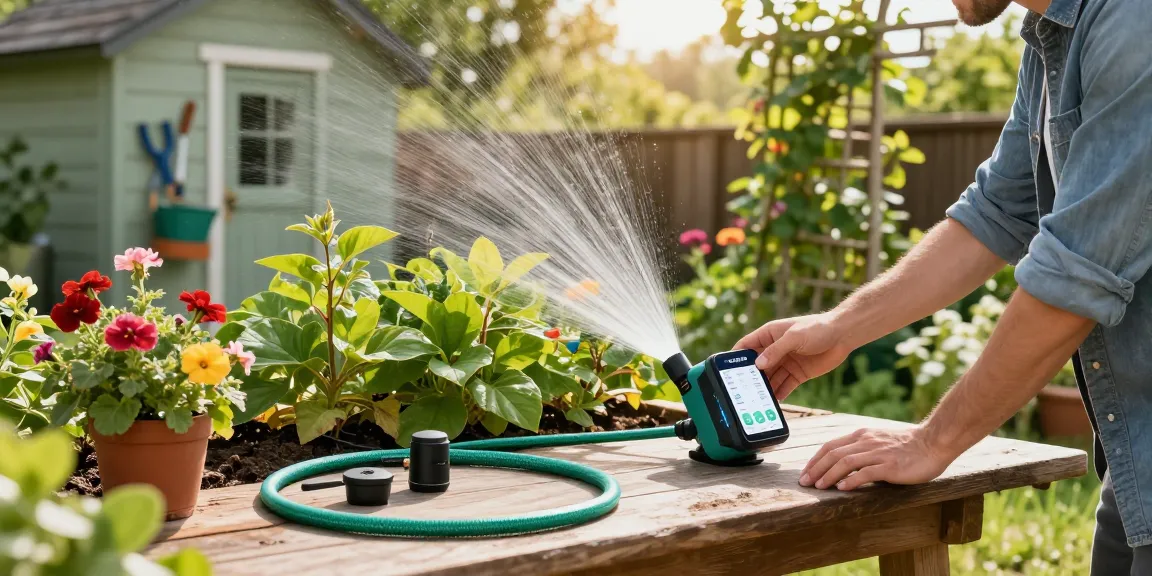
Understanding rainpoint Irrigation Controllers
In an era where water conservation and efficient gardening practices are essential, rainpoint Irrigation Controllers emerge as a smart solution for both novice and experienced gardeners. These intelligent devices not only simplify the watering process but also ensure that plants receive the right amount of moisture throughout various seasons. This comprehensive guide will help you navigate the features, benefits, and installation processes of rainpoint controllers, ultimately empowering you to optimize your watering practices.
What are rainpoint Irrigation Controllers?
rainpoint Irrigation Controllers are technologically advanced devices designed to automate garden irrigation. These controllers replace traditional timers by allowing users to program and monitor watering schedules with precision. With features such as Wi-Fi connectivity, mobile app integration, and soil moisture sensors, these controllers adapt to the specific needs of your garden, ensuring plants thrive while conserving water.
Benefits of Smart Irrigation Systems
Smart irrigation systems like rainpoint offer a multitude of advantages:
- Water Conservation: By tailoring watering schedules to actual soil moisture levels, these systems minimize water waste.
- Convenience: With the ability to set irrigation schedules remotely through mobile apps, gardeners can manage their plants even when they are away.
- Enhanced Plant Health: Consistent and optimal watering promotes healthier growth and reduces the risk of overwatering or underwatering.
- Data Tracking: Many smart controllers provide analytics on water usage, enabling users to monitor and adjust their consumption proactively.
How rainpoint Controllers Work
rainpoint Controllers operate through a combination of programmable schedules and advanced sensors. Users can set watering times, durations, and frequency via the mobile app, which syncs with the device. Soil moisture sensors provide real-time data, allowing the controller to adjust watering based on the plant’s needs. This means less guesswork and more assurance that your garden is receiving just the right amount of water.
Choosing the Right rainpoint Irrigation Controller
Selecting the most suitable rainpoint Irrigation Controller for your specific gardening needs involves considering various features and models available on the market. This section will guide you through the essential aspects to evaluate during your selection process.
Key Features to Look For
When choosing a rainpoint controller, it is important to consider the following features:
- Wi-Fi Connectivity: Enables remote access and control from your smartphone, allowing you to manage your irrigation system from anywhere.
- Soil Moisture Sensors: These sensors ensure that watering only occurs when necessary, preventing overwatering.
- Multiple Zone Control: Ideal for larger properties, this feature allows you to manage different watering needs for various sections of your garden.
- Data Monitoring: Look for controllers that provide insights into water usage and plant health, which aids in making informed decisions.
Comparing Models: Which is Best for You?
The rainpoint range includes various models suited for different gardening scenarios. The RainPoint 2 Zone WiFi Water Timer with Hub, for instance, is perfect for homeowners with multiple zones that require distinct watering schedules. On the other hand, smaller gardens might benefit from a single-zone model, which offers ease of use and effective water management. Evaluating your garden’s specific requirements will help you choose the best model.
Budget Considerations for Smart Irrigation
Investing in a smart irrigation system like rainpoint may require a higher upfront cost compared to traditional timers. However, the long-term savings on water bills, coupled with the reduced time spent on manual watering, make these controllers a worthy investment for sustainable gardening. It’s important to establish a budget that considers both the initial purchase and any additional features like extra sensors or smart home integration.
Installation and Setup
Installing a rainpoint Irrigation Controller is generally straightforward, but there are some key steps and potential issues you should be aware of. This section provides a step-by-step installation guide and addresses common setup problems.
Step-by-Step Installation Guide
- Read the manual: Familiarize yourself with the components and instructions provided.
- Choose a location: Find a suitable spot near a water source that is also accessible for Wi-Fi connectivity.
- Connect the controller: Attach your hoses and ensure all connections are secure.
- Set up the app: Download the appropriate app and connect the controller to your Wi-Fi network.
- Program your settings: Customize your watering schedule based on your plants’ needs.
Common Setup Issues and Solutions
Some common issues users face during setup include connectivity problems, failure to sync with the app, or incorrect programming. Always ensure that your Wi-Fi signal is strong and within reach of the controller. If issues persist, refer to the troubleshooting section of the user manual or contact customer support for assistance.
Integrating with Smart Home Systems
Rainpoint controllers can often be integrated with existing smart home systems such as Amazon Alexa or Google Home, allowing you to control your irrigation system using voice commands. To achieve this, follow the integration instructions in the app and ensure compatibility with your smart home devices. This feature adds an extra layer of convenience to your gardening routine.
Optimizing Water Usage with rainpoint Controllers
Effective water management is crucial for sustainable gardening. Utilizing the features of rainpoint controllers can significantly enhance your water conservation efforts.
Setting Efficient Watering Schedules
Creating an efficient watering schedule using rainpoint controllers involves understanding the specific needs of your plants. Pay attention to seasonal changes, soil type, and weather conditions. For instance, adjusting the frequency and duration of watering during hot or dry spells can help maintain plant health without wasting water.
Utilizing Soil Moisture Sensors
Soil moisture sensors are a standout feature of rainpoint controllers, enabling real-time assessment of soil conditions. By setting your controller to water only when moisture levels drop below a specific threshold, you can prevent both overwatering and underwatering. This dynamic response to soil conditions leads to healthier plants and significant water savings.
Monitoring Water Consumption and Saving Tips
Regularly monitoring your water usage is essential for understanding your consumption patterns. Many rainpoint models provide insights into how much water is being used, allowing you to identify opportunities for further savings. Consider implementing additional water-saving practices, such as mulching around plants, to retain moisture in the soil and reduce the need for frequent watering.
Future Trends in Irrigation Technology
The future of irrigation technology is set to evolve rapidly, driven by advancements in smart technology and sustainability initiatives. In this section, we will explore anticipated trends for 2026 and beyond.
Advancements in Smart Irrigation for 2026
As technology continues to improve, expect to see rainpoint controllers adopting more advanced sensors and data analytics capabilities. Future versions may integrate AI algorithms that learn from your watering habits, further optimizing schedules based on historical data and environmental conditions.
The Role of AI in Future Irrigation Solutions
Artificial Intelligence (AI) is expected to play a significant role in smart irrigation systems. For instance, AI could analyze weather forecasts and adjust watering schedules automatically, ensuring that plants receive the right amount of water when they need it most. Such innovations will further enhance convenience while promoting water conservation.
Environmental Impact and Sustainable Practices
With increasing emphasis on sustainability, future irrigation systems will likely incorporate more eco-friendly materials and practices. rainpoint controllers may evolve to support rainwater harvesting systems or greywater reuse, contributing to a more sustainable approach to gardening and landscaping.
What are the advantages of using rainpoint Irrigation Controllers?
Using rainpoint Irrigation Controllers offers several benefits, including improved water efficiency, the convenience of remote management, and enhanced plant health through tailored watering schedules. Their ability to integrate with smart home devices further amplifies their usefulness in modern gardening contexts.
How do I choose the best rainpoint Irrigation Controller for my garden?
Choosing the right controller involves evaluating your garden’s size, the variety of plants, and your specific needs. Consider factors such as zone control, sensor capabilities, and compatibility with smart home systems when making your decision.
Can rainpoint Controllers integrate with smart home devices?
Yes, many rainpoint controllers are designed to integrate seamlessly with smart home devices, allowing for voice command control and automation within your existing smart ecosystem.
What common issues might I face during installation?
Common installation issues include connectivity challenges, improper programming, or hardware malfunctions. Typically, these can be resolved by following the guide carefully and ensuring that all components are functioning correctly.
How can I optimize my irrigation system for water conservation?
To optimize your irrigation for water conservation, make use of soil moisture sensors, set efficient watering schedules based on weather patterns, and regularly monitor your water usage. Implementing practices such as mulching can further enhance moisture retention in the soil, reducing the need for frequent watering.