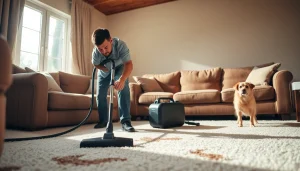

Understanding Pet Odors in Carpets
The Science Behind Pet Odors
Understanding pet odors in carpets requires a grasp of the underlying science. Pets, especially dogs and cats, possess unique biological markers that contribute to their distinct smells. These odors primarily originate from urine, feces, and saliva. Urine, when dried, can leave behind mineral deposits that are particularly offensive, while feces can seep into the fibers of the carpet, leading to deep-set odors. Additionally, the natural oils in a pet’s fur can accumulate on carpets over time, amplifying the issue. As carpets absorb these substances, bacteria thrive, breaking down organic matter and releasing more odor. The higher the humidity, the more active these bacteria become, resulting in stronger smells.
Common Causes of Odors in Carpets
Several factors contribute to the persistence of odors in carpets. Urine stains from pets are a primary culprit; even minor accidents can lead to significant issues if not promptly addressed. Additionally, other biological materials, such as vomit or drool, can introduce bacteria that produce odor. In some cases, improper cleaning can exacerbate the problem; for example, using unsuitable products can embed smells rather than eliminate them. Lastly, neglecting regular carpet maintenance allows dirt and allergens to build up, creating an unsanitary environment where smells can flourish.
Why Prompt Cleaning Matters
Acting quickly to clean pet-related messes is crucial in preventing long-term problems. Waiting too long allows odor-causing compounds to set deeper into the carpet fibers, making them harder to remove. Moreover, prolonged exposure to pet odors can lead to health issues, particularly for individuals with allergies or asthma. Regular cleaning helps maintain a fresher environment and prolongs the lifespan of your carpets, saving you money on potential replacements. Thus, tackling these odors promptly is essential for personal well-being and the integrity of your home.
Essential Tools for Pet Odor Carpet Cleaning
Must-Have Cleaning Equipment
Having the right tools is essential for effective pet odor carpet cleaning. Some of the must-have cleaning equipment includes:
- Steam Cleaner: A steam cleaner provides deep cleaning capabilities, effectively reaching into carpet fibers.
- Enzymatic Cleaners: These specialized cleaners break down odors at the molecular level, ensuring effective elimination.
- Baking Soda: A natural deodorizer that absorbs moisture and neutralizes odor, often used in combination with other cleaning methods.
- White Vinegar: A versatile cleaner that can neutralize odors and disinfect areas affected by stains.
- Stiff Bristle Brush: For scrubbing tough spots and helping cleaners penetrate deeper into the carpet.
DIY Solutions and Products
Several effective DIY solutions can help manage pet odors without needing commercial products. A popular option is creating a mixture of equal parts water and white vinegar. Spray this onto the affected area, let it sit for a few minutes, then blot with a clean cloth. Another effective mixture is baking soda and essential oil; while baking soda neutralizes odors, the oil adds a pleasant scent. Additionally, creating a paste from baking soda and water can be applied directly to carpet stains, left to dry, and vacuumed afterward, effectively removing the stain and the smell.
Choosing Professional Services
In some cases, home remedies may not suffice, especially for severe odors or stains. This is where professional cleaning services come into play. Look for companies that specialize in pet odor carpet cleaning. Verify their methods and check for reviews to ensure they use safe, effective techniques. Professionals have access to industrial-strength equipment and products that can provide results unmatched by home cleaning attempts. Furthermore, many services offer guarantees, ensuring your carpet is treated effectively, leaving you with nothing but fresh smelling fibers.
Step-by-Step Guide to Pet Odor Carpet Cleaning
Preparation and Area Setup
Preparation is key to effective carpet cleaning. Start by removing furniture from the area to create space. This allows unrestricted access to all parts of the carpet, ensuring a thorough cleaning. Next, vacuum the area to remove hair, dirt, and debris, which can interfere with the effectiveness of cleaning solutions. If the odor is linked to a specific spot, identify it clearly for focused treatment. You can also do a spot test on less visible areas of the carpet to ensure that your chosen cleaner won’t cause damage or discoloration.
Effective Cleaning Techniques
After preparation, apply your cleaning solution according to the specific instructions. For DIY solutions, spray the area generously, allowing it to penetrate the fibers. For commercial enzymatic cleaners, ensure you read the manufacturer’s instructions for optimal results. In either case, after about 5-10 minutes, scrub the area with a stiff bristle brush to lift the stain and odor. Rinse with warm water to remove cleaning residues. If you’re using a steam cleaner, follow the equipment’s operational guide to apply heat effectively, helping to kill bacteria and remove dirt.
Drying and Post-Cleaning Care
After cleaning, allow the carpet to dry completely. Open windows, use fans, or dehumidifiers to speed the drying process, as moisture can lead to mold growth and further odors if not addressed. Once dry, vacuum the area again to lift any loosened debris left by the cleaning process. It’s beneficial to monitor the area for any recurring odors. If they persist, this may suggest a deeper issue that requires professional evaluation.
Preventing Future Pet Odors in Carpets
Routine Maintenance Tips
To safeguard your carpets from future pet odors, establish a regular cleaning schedule. Vacuum at least once a week to remove hair and dander, paying extra attention to high-traffic areas. Implementing a seasonal deep-cleaning routine can also be beneficial, particularly after shedding seasons. Additionally, consider using a carpet protector to help resist stains and odors, keeping your carpets looking and smelling fresh.
Training Your Pet to Reduce Accidents
Preventing accidents is an effective way to minimize odors. Proper training methods, such as positive reinforcement for outdoor bathroom habits, can significantly reduce the likelihood of indoor accidents. Setting a regular feeding and walking schedule helps ensure that your pet’s bathroom habits are predictable. Moreover, being attentive to your pet’s behavior can help you catch them before accidents happen, allowing for quick intervention.
Utilizing Natural Deodorizers
Incorporating natural deodorizers into your routine can help maintain a fresh-smelling home. Baking soda can be sprinkled on carpets and left overnight before vacuuming to neutralize odors. Activated charcoal is another effective odor eliminator that absorbs moisture and smells, and it can be strategically placed around the home or in carpets. Essential oils, when used judiciously, can also add pleasant scents; however, caution is advised as some oils may be harmful to pets.
FAQs on Pet Odor Carpet Cleaning
How often should I clean carpets with pets?
Regular cleaning is recommended every 3-6 months, more often if your pet has frequent accidents.
Can home remedies effectively remove pet odors?
Yes, mixtures of vinegar and water or baking soda can neutralize odors effectively.
Is professional cleaning worth it?
Professional services can thoroughly eliminate odors and extend carpet life, especially with persistent issues.
What should I look for in cleaning products?
Choose enzymatic cleaners specifically designed for pet stains to ensure maximum odor removal.
Can I prevent odors with carpet sprays?
Yes, but consistent cleaning and maintenance are key to effectively prevent odors from lingering.